




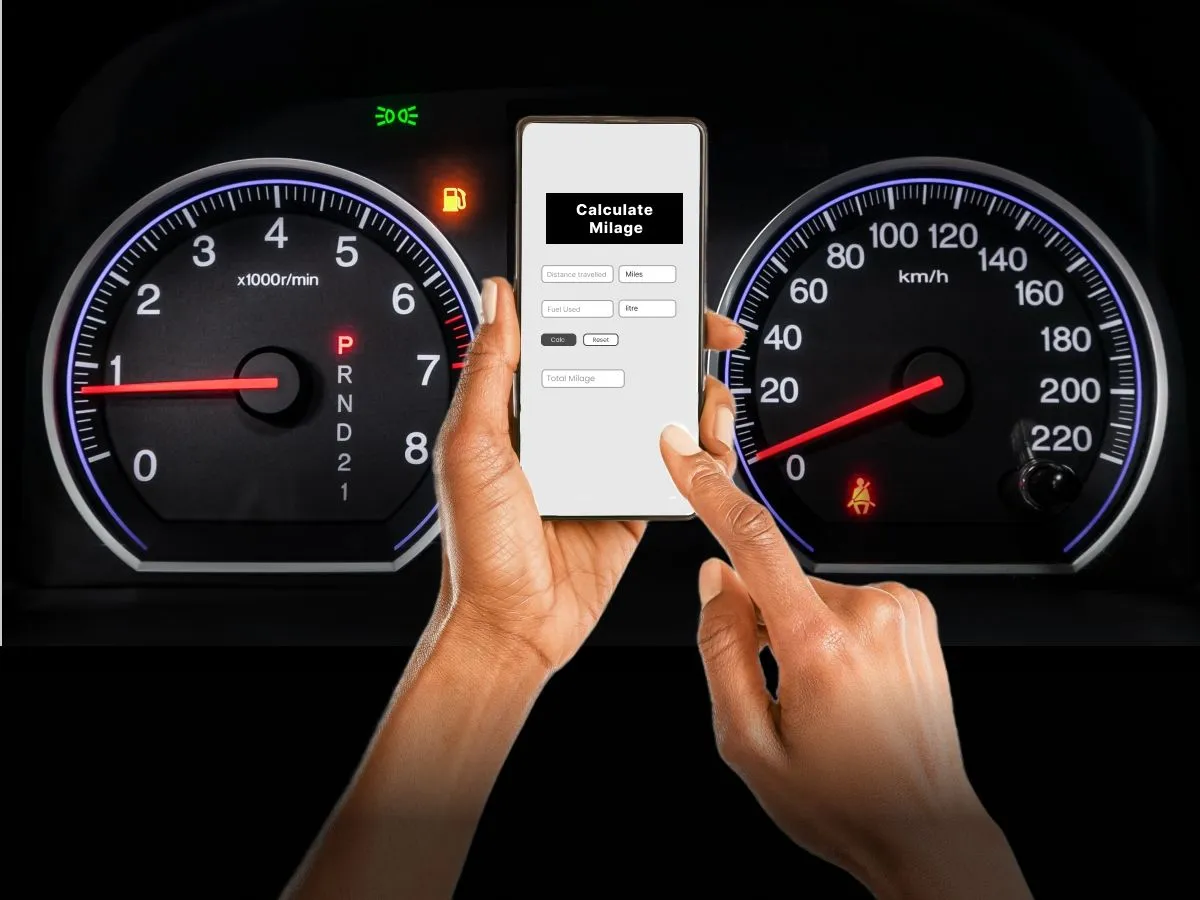
Fuel efficiency plays a major role in determining the overall cost of owning and operating a vehicle. Whether you drive a hatchback, sedan, SUV, or commercial vehicle, understanding your car’s mileage can help you manage fuel expenses more effectively.
A mileage calculator is a simple yet powerful tool that helps vehicle owners calculate fuel efficiency, estimate fuel costs, and compare the performance of different vehicles. By regularly tracking mileage, drivers can make smarter decisions about vehicle maintenance, driving habits, and future car purchases.
What Is a Mileage Calculator?
A mileage calculator is a tool used to determine how efficiently a vehicle consumes fuel based on the distance traveled and the amount of fuel used.
In India, fuel efficiency is usually measured in kilometers per liter (km/l).
The basic purpose of a mileage calculator is to help drivers understand:
- Fuel consumption
- Cost per kilometer
- Monthly fuel expenses
- Vehicle efficiency
- Running costs
This information is valuable for both personal and commercial vehicle owners.
Why Is Mileage Important?
Mileage directly affects the cost of vehicle ownership.
Reduces Fuel Expenses
Vehicles with higher fuel efficiency require less fuel to travel the same distance, helping owners save money over time.
Helps Compare Cars
Mileage is often one of the most important factors buyers consider when comparing vehicles.
A mileage calculator makes it easier to evaluate different models objectively.
Improves Budget Planning
Knowing your vehicle’s fuel consumption helps estimate monthly transportation expenses more accurately.
Indicates Vehicle Health
A sudden drop in mileage may signal maintenance issues that require attention.
How to Calculate Mileage
Calculating mileage manually is simple.
Step 1: Fill the Fuel Tank
Fill your vehicle’s fuel tank completely and note the odometer reading.
Step 2: Drive Normally
Use your vehicle as usual until the next refueling.
Step 3: Refill the Tank
Fill the tank again and note:
- Distance traveled
- Fuel consumed
Step 4: Apply the Mileage Formula
The standard formula is:
Mileage = Distance Traveled ÷ Fuel Consumed
Example
Suppose:
- Distance traveled = 600 km
- Fuel consumed = 30 liters
Mileage = 600 ÷ 30
Mileage = 20 km/l
This means the vehicle can travel 20 kilometers using one liter of fuel.
Benefits of Using a Mileage Calculator
Accurate Fuel Cost Estimation
A mileage calculator helps estimate fuel expenses based on actual driving patterns.
Better Vehicle Management
Tracking fuel efficiency regularly helps identify performance issues early.
Smarter Vehicle Purchases
Car buyers can compare running costs before making a purchase decision.
Long-Term Savings
Understanding fuel consumption encourages more efficient driving habits.
Factors That Affect Mileage
Several factors influence real-world fuel efficiency.
Driving Style
Aggressive acceleration and frequent braking increase fuel consumption.
Smooth driving generally delivers better mileage.
Traffic Conditions
Heavy traffic often reduces fuel efficiency due to constant stopping and starting.
Vehicle Maintenance
Poor maintenance can negatively affect mileage.
Key maintenance areas include:
- Engine tuning
- Air filter replacement
- Fuel system maintenance
- Oil changes
Tire Pressure
Underinflated tires create additional rolling resistance and increase fuel consumption.
Vehicle Load
Extra weight requires more energy to move the vehicle, reducing fuel efficiency.
Air Conditioning Usage
Continuous use of air conditioning can lower mileage, particularly in city traffic.
How to Improve Your Car’s Mileage
Maintain Proper Tire Pressure
Correct tire pressure reduces resistance and improves efficiency.
Drive Smoothly
Avoid sudden acceleration and harsh braking whenever possible.
Reduce Unnecessary Weight
Remove items that are not needed to reduce vehicle load.
Service Your Vehicle Regularly
Routine maintenance keeps the engine operating efficiently.
Avoid Excessive Idling
Keeping the engine running while stationary wastes fuel.
Use Recommended Fuel
Following manufacturer fuel recommendations helps maintain optimal performance.
Mileage Calculator for Different Vehicle Types
Hatchbacks
Compact hatchbacks are often among the most fuel-efficient vehicles due to their lighter weight and smaller engines.
Sedans
Sedans typically offer a balance between comfort, performance, and fuel efficiency.
SUVs
SUV mileage varies depending on size, weight, engine capacity, and drivetrain configuration.
Hybrid Vehicles
Hybrids combine electric motors with conventional engines to improve fuel efficiency.
Electric Vehicles
For EVs, efficiency is measured using kilometers per kilowatt-hour (km/kWh) rather than km/l.
Common Mileage Myths
Higher Speed Means Better Mileage
Driving at extremely high speeds often increases fuel consumption.
Premium Fuel Improves Mileage in Every Car
Most vehicles perform best with the fuel grade recommended by the manufacturer.
Manufacturer Mileage Is Always Accurate
Real-world mileage often differs due to driving conditions, weather, traffic, and vehicle maintenance.
Air Conditioning Always Ruins Mileage
While AC affects fuel consumption, its impact varies depending on driving conditions and vehicle type.
Why Mileage Matters When Buying a New Car
Fuel efficiency remains one of the most important ownership cost factors.
A vehicle with better mileage can:
- Reduce monthly fuel expenses
- Lower overall ownership costs
- Improve long-term savings
- Deliver better value for money
For high-mileage drivers, even small differences in fuel efficiency can result in significant annual savings.
How V3Cars Mileage Calculator Helps
The V3Cars Mileage Calculator helps users estimate fuel efficiency and running costs quickly.
Benefits include:
- Fuel cost calculations
- Mileage estimation
- Cost-per-kilometer analysis
- Vehicle comparisons
- Ownership planning
These insights help buyers and owners make more informed automotive decisions.
Conclusion
A mileage calculator is an essential tool for understanding vehicle fuel efficiency and managing ownership costs. By accurately measuring mileage, drivers can monitor performance, reduce fuel expenses, and identify potential maintenance issues before they become costly problems.
Whether you’re evaluating a new vehicle or optimizing the performance of your current one, tracking mileage is a smart step toward more economical and efficient driving. With fuel costs continuing to play a major role in vehicle ownership, understanding your car’s mileage has never been more important.





Leave a Reply