
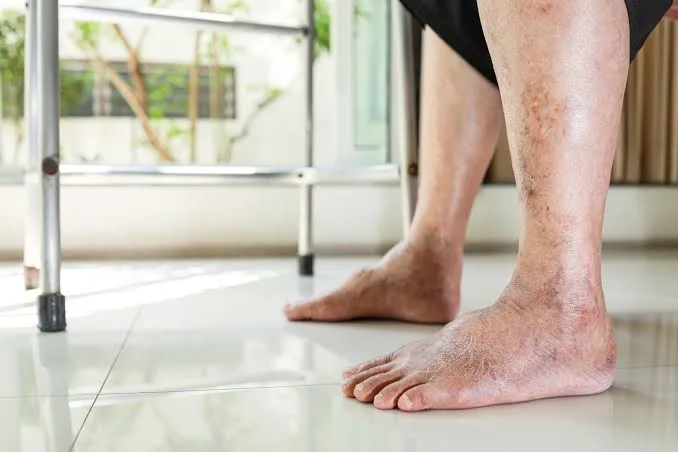



Peripheral vascular disease (PVD) can affect how easily a person walks, exercises, works, and performs everyday activities. Reduced blood flow to the limbs may cause leg pain, cramping, heaviness, numbness, or fatigue, making physical activity increasingly difficult.
What Is Peripheral Vascular Disease?
Peripheral vascular disease is a condition in which blood vessels outside the heart and brain become narrowed, blocked, or otherwise damaged. It commonly affects the arteries supplying the legs and feet.
Atherosclerosis, or the buildup of fatty deposits inside arteries, is a common cause. When arteries become narrower, less oxygen-rich blood reaches the muscles, particularly during physical activity.
This reduced circulation can gradually affect mobility and quality of life.
How Peripheral Vascular Disease Affects Walking
Walking increases the muscles’ demand for oxygen. When blood flow cannot increase enough to meet that demand, symptoms may develop.
One of the most common symptoms is intermittent claudication, which causes aching, cramping, or tightness in the legs after walking or exercising. The discomfort may improve after resting.
Over time, a person may start walking shorter distances to avoid discomfort. This can create a cycle where reduced activity leads to lower physical fitness and further difficulty with movement.
Common Mobility-Related Symptoms
People with peripheral vascular disease may experience:
- Leg pain or cramping while walking
- Pain that improves after resting
- Heaviness or tiredness in the legs
- Numbness or weakness
- Cold feet
- Slow-healing cuts or sores
- Changes in skin color or appearance
- Reduced ability to walk long distances
Symptoms can vary significantly from one person to another.
How PVD Can Affect Daily Life
The impact of peripheral vascular disease is not limited to exercise. When symptoms become persistent, everyday activities can also become challenging.
For example, someone may find it difficult to walk through a shopping center, climb stairs, stand for long periods, or complete household tasks. Some people may need to take frequent breaks while working or traveling.
These limitations can affect independence and confidence, particularly when a person starts avoiding activities they previously enjoyed.
The Link Between PVD and Physical Activity
Physical activity is an important part of managing circulation problems, but people with significant symptoms may avoid exercise because walking causes pain.
This can be counterproductive.
Under appropriate medical guidance, structured walking and exercise programs may help improve walking ability and functional capacity. The specific exercise plan should depend on the person’s symptoms, circulation, overall health, and medical evaluation.
The goal is not simply to exercise more. It is to improve functional movement safely and address the underlying circulation problem.
Expert Tip: If leg pain consistently appears after walking a predictable distance and improves with rest, do not assume it is simply a normal part of aging. A vascular evaluation can help determine whether reduced blood flow is contributing to the symptoms.
How Peripheral Vascular Disease Can Affect Quality of Life
Quality of life can be affected when physical limitations interfere with work, social activities, travel, exercise, and personal independence.
Someone who once walked regularly may begin avoiding longer outings. Another person may reduce recreational activities because of leg discomfort. In more advanced cases, difficulty moving around the home can become a concern.
The psychological impact can also matter. Persistent pain or reduced independence may contribute to frustration, social withdrawal, or reduced confidence.
Managing the condition early can therefore involve more than treating a blood vessel problem. It can also mean helping the person maintain mobility and independence.
Risk Factors That Can Make PVD More Likely
Several factors increase the risk of developing peripheral vascular disease.
| Risk Factor | Why It Matters |
|---|---|
| Smoking | Damages blood vessels and significantly increases vascular risk |
| Diabetes | Can damage blood vessels and nerves |
| High blood pressure | Places ongoing stress on artery walls |
| High cholesterol | Can contribute to plaque formation |
| Increasing age | Risk generally increases with age |
| Physical inactivity | Can contribute to cardiovascular risk |
| Obesity | Often occurs alongside several vascular risk factors |
| Family history | May increase susceptibility to vascular disease |
Having one or more risk factors does not automatically mean a person has PVD, but they can make medical assessment more important when symptoms develop.
Can Treatment Improve Mobility?
Treatment depends on the severity and cause of the circulation problem.
A doctor may recommend lifestyle changes, medications, exercise therapy, or vascular procedures when appropriate.
Treatment may focus on:
- Improving blood flow
- Managing cholesterol and blood pressure
- Controlling blood sugar
- Stopping smoking
- Increasing safe physical activity
- Managing pain and other symptoms
- Preventing ulcers and other complications
In some patients with significant arterial narrowing, procedures such as angioplasty, stenting, or bypass surgery may be considered.
The appropriate option depends on the location and severity of the blockage and the person’s overall health.
Foot Care Is Especially Important
Reduced circulation can make wounds on the feet and legs slower to heal. This is particularly important for people who also have diabetes.
Simple foot-care habits can help reduce avoidable problems. Check the feet regularly for cuts, blisters, discoloration, swelling, or sores. Comfortable footwear can also help reduce pressure and injuries.
A wound that does not heal normally should be evaluated rather than ignored.
When Should You See a Vascular Specialist?
Persistent walking-related leg pain deserves medical attention, particularly when it repeatedly follows a similar pattern.
A vascular specialist can evaluate circulation and determine whether symptoms are related to peripheral arterial disease, another vascular condition, or a different cause of leg pain.
For patients seeking specialist assessment, Dr Sumit Kapadia can help evaluate vascular symptoms and discuss appropriate diagnostic and treatment options based on the individual’s condition.
When Leg Symptoms Need Urgent Attention
Certain symptoms can indicate a serious reduction in blood flow and require urgent medical assessment.
Seek prompt medical attention if there is:
- Sudden severe leg or foot pain
- A suddenly cold or pale limb
- Significant new numbness or weakness
- A wound that becomes increasingly painful or infected
- Blackening or tissue changes in the foot or toes
Sudden changes can sometimes indicate an acute vascular problem and should not be managed at home.
Key Takeaways
| What to Know | Practical Point |
|---|---|
| Mobility | PVD can make walking and exercise difficult |
| Common symptom | Leg pain during activity that improves with rest |
| Quality of life | Reduced mobility may affect work, travel and independence |
| Risk factors | Smoking, diabetes, cholesterol and high blood pressure can increase risk |
| Management | Lifestyle changes, exercise, medication and procedures may be used |
| Prevention | Early evaluation and risk-factor control can help protect circulation |
Pros of Early Management
- May help preserve walking ability
- Can address cardiovascular risk factors
- Supports greater independence
- May reduce the risk of complications
- Helps identify serious circulation problems earlier
Challenges of PVD
- Symptoms can gradually limit physical activity
- Walking may become uncomfortable
- Wounds may heal more slowly
- Multiple risk factors may need long-term management
- Advanced disease may require vascular intervention
Frequently Asked Questions
1. Can peripheral vascular disease affect walking?
Yes. Peripheral vascular disease can reduce blood flow to the legs and cause cramping, aching, heaviness, or fatigue during walking. These symptoms may improve with rest. As the condition progresses, a person may find it increasingly difficult to walk longer distances or remain physically active.
2. Can PVD affect quality of life?
Yes. PVD can interfere with exercise, work, travel, household activities, and social outings when leg symptoms limit mobility. Some people may also become less active because they want to avoid discomfort. Appropriate treatment and management of cardiovascular risk factors can help support mobility and daily functioning.
3. Is walking good for peripheral vascular disease?
Walking may be beneficial for many people with peripheral arterial disease when performed as part of an appropriate, medically guided exercise program. Structured walking can help improve functional capacity. However, people with significant symptoms should discuss exercise with a healthcare professional before starting or changing their routine.
4. When should someone with PVD see a doctor?
Medical evaluation is appropriate when leg pain repeatedly occurs during walking, wounds heal slowly, or there are persistent changes in the feet or legs. Sudden severe pain, coldness, numbness, weakness, or major color changes require urgent medical assessment because they may indicate a serious circulation problem.





Leave a Reply