



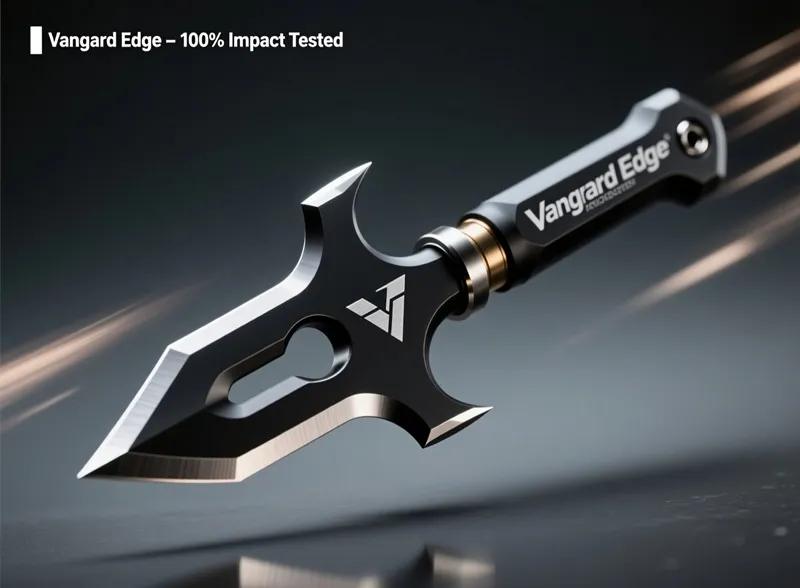
When it comes to bowhunting, many hunters prefer the best fixed blade broadhead over mechanical ones. Even the harshest conditions cannot stop them. Fixed blades don’t have moving parts, so there’s less chance of something going wrong during a hunt. A good broadhead improves penetration, accuracy, and overall hunting success. Choosing the right one helps you make cleaner kills and recover the game faster.
Why Choose Fixed Blade Broadheads
Fixed blade broadheads have been trusted for decades. Their simple design makes them dependable in any weather. Many hunters like that they cut immediately on impact, giving confidence on big game like deer, elk, or hogs. They are also durable. You can sharpen them and reuse them, unlike mechanical broadheads that rely on springs and hinges. Fixed blades are safer and more consistent for long hunts in rough terrain. They are some of the best tools for a long hunt.
When picking a fixed blade broadhead, focus on design and materials. Blades should be sharp and hold their edge. The best for strength is carbon, followed by stainless steel. Some broadheads are one-piece. This means they don’t break easily. Others have replaceable blades. Which can save money over time. Blade thickness matters too. Thicker blades resist bending when hitting bone. Cutting diameter is important. Broadheads with wider blades leave bigger entry and exit wounds for clearer blood trails. But very wide blades may need extra tuning to stay accurate.
Popular Options Among Hunters
Some fixed blade broadheads are favorites among hunters. They make sure to buy one of these. For example, the Muzzy Trocar is strong and penetrates deep. Slick Trick Standard is accurate. At the same time it has replaceable blades. The G5 Montec is a sturdy, one-piece broadhead that’s simple to sharpen and widely trusted by hunters. You can check it yourself. Magnus Stinger combines sharpness with replaceable blades. Many hunters carry a mix of blades. This depends on the game and terrain. These broadheads are proven performers and recommended by experienced hunters.
Fixed blades need proper tuning. Unlike field points, they can drift or plane if your bow isn’t set right. Check your arrows first to make sure they’re straight and undamaged. Next, check your rest alignment. Small adjustments can make a big difference. Many hunters use paper tuning or walk-back tuning to match broadheads to their arrows. Helical fletching can also help stabilize flight. Practice is key. Always test your setup with broadhead targets before hunting.
Advantages Over Mechanical Broadheads
Fixed blades are more reliable than mechanical blades. They cut on contact, so there’s no risk of the blades failing to open. They perform better on angled shots and penetrate deeply, even through bone. Fixed blades are legal in more hunting areas, while some states restrict the use of mechanical. Hunters who value dependability often choose fixed blades for these reasons.
Practice with the broadheads you plan to hunt with to see how they fly. Keep blades sharp, dull ones have lower penetration and create poor blood trails. Carry spares in case a blade bends or dulls on impact. Make sure your arrows match your broadhead in spine and weight for straight flight. Proper setup and care make a big difference. Take some time to make the correct adjustments. It will go a long way in improving your hunt.
Common Mistakes to Avoid
Don’t assume broadheads fly like field points without tuning; they usually don’t. Avoid blades that are too wide for your bow, as very wide diameters need more power to penetrate. State regulations must be checked to find if it’s all legal. Never use dull or damaged blades; even the best broadhead won’t perform if it’s not sharp.
Choose your broadhead based on the animal. For whitetail deer, a standard three- or four-blade works well. For elk or larger game, tougher one-piece models like the G5 Montec are better. Use lighter broadheads to kill smaller game. Matching your broadhead to the target ensures cleaner kills and easier recovery. You should talk to experts to determine your type. A little research reveals what’s better for you.
Final Thoughts
The best fixed blade broadhead fits your bow, hunting style, and game. Look for sharpness, durability, and reliability. Practice with them before the season, keep them sharp, and carry extras on every hunt. Fixed blades always cut, no matter the angle or conditions, giving you confidence and better results. With the right care, they can deliver clean kills and successful hunts for years. For the best results, you can ask a professional hunter. At the same time, you can attend conventions to find out what you like.





Leave a Reply