




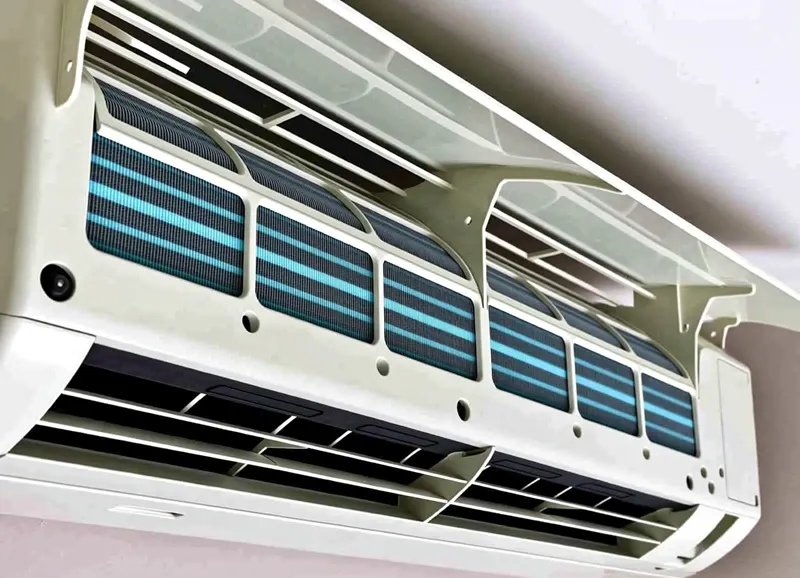
When your air conditioner freezes, it can stop cooling, leaving you uncomfortable. Many homeowners wonder, will frozen AC fix itself? The simple answer is no. Ice on the coils or lines indicates that airflow or refrigerant is not functioning properly. The ice will come back if not removed properly. If ignored, this can cause damage that costs a lot more to repair.
Why Does an AC Freeze?
There are several reasons an air conditioner freezes up. Low levels of refrigerant are the most common cause. When refrigerant levels drop, pressure inside the system changes. This makes the coils too cold, and ice forms on them. Refrigerant can get low due to leaks, and this always needs professional care.
Another cause is a dirty air filter. Filters catch dust and dirt, but when they clog, airflow slows down. Without enough warm air moving across the coils, they freeze. A blocked filter is one of the easiest issues to fix, but it can create big problems if ignored.
Clogged vents, shut registers, or dust-filled ducts can also reduce airflow. When air cannot move freely, cold air gets trapped in the system. This makes freezing more likely. Even the blower fan, if damaged, can slow airflow and lead to ice buildup.
Will It Fix Itself Once the Ice Melts?
The ice melts upon switching off the AC. But this does not mean the unit is fine. The main problem is still there. Switch it on and the system freezes up all over again.
Some people think waiting a few hours is enough. The ice may disappear, but the cycle repeats until the cause is solved. Running the AC while frozen is risky. Ice makes the compressor work harder. The compressor costs a bomb to install if it shorts out. If it burns out, you may need a full replacement instead of a repair.
First Steps to Take at Home
If you notice your AC is frozen, shut it down right away. Keeping it on will only add stress and damage. Switch the thermostat to “fan only.” This blows warm air over the coils and melts the ice faster.
Next, check the air filter. If the filter looks dirty, replace it with a fresh one. In most homes, filters should be changed every one to three months, depending on how much the system runs. Also, check vents and registers in your home. Make sure nothing is blocking them, like furniture, rugs, or curtains.
Don’t attempt to chip the ice. The fins and coils inside are very delicate. Using sharp objects can cause them to bend or break, which adds new problems. Let the ice melt naturally.
When to Call a Professional
Some causes of freezing cannot be solved at home. Low refrigerant, blower fan issues, or dirty evaporator coils need an HVAC technician. They have the right tools to check refrigerant, clean parts, and fix broken components.
Call a professional if things go out of hand. The longer you wait, the higher the risk of serious damage. Even if the unit seems fine after melting, a hidden leak or airflow issue can keep stressing the system. It is always cheaper to solve a small issue early.
How to Prevent AC Freezing
Prevention is always better than the cure. Start with regular filter changes. Never let filters stay dirty for too long. This one step keeps airflow steady and lowers the chance of freezing.
Keep the outdoor unit clean as well. Clear away leaves, dust, and grass clippings. Anything that blocks airflow around the condenser can make the system work harder.
Have your AC serviced once a year. A technician can check refrigerant levels, clean the coils, and test the blower motor. These checks help catch problems before they turn into ice or breakdowns.
Also, watch your thermostat settings. If you keep it low for hours, it will seize up. Try to keep temperatures steady instead of constantly adjusting them.
Why You Should Not Ignore It
A frozen AC might look like a small issue, but it can quickly grow worse. Ice buildup often leads to water leaks once it melts. This may lead to water damage on walls, ceilings, or nearby floors. Moisture also encourages mould, which creates health risks in the home.
The biggest risk is compressor failure. The compressor is the heart of your entire system. If it fails, repair costs are high, sometimes more than buying a new unit. All this can start from ignoring a frozen coil.
Final Thoughts
A frozen AC is a warning sign, not a problem that will fix itself. Even if the ice melts, the reason behind it is still present. The best step is to turn it off, let it thaw, check simple things like filters and vents, and then call a professional if freezing happens again.
With regular maintenance and good airflow, you can prevent freezing altogether. Your AC will stay efficient, your home will stay cool, and you will avoid costly repairs. Acting early saves both money and stress in the long run.






Leave a Reply