



Donating to charitable organizations is a meaningful way to support important causes such as education, healthcare, child welfare, poverty alleviation, and community development. Beyond the social impact, charitable contributions may also offer financial benefits through NGO donation tax exemption provisions.
Tax incentives encourage individuals and businesses to contribute to nonprofit organizations by allowing eligible donations to qualify for deductions under applicable tax laws. These benefits help strengthen charitable initiatives while rewarding donors for supporting positive social change.
Organizations such as Cry America rely on charitable contributions to fund programs that improve the lives of vulnerable children and communities. Understanding how tax exemptions work can help donors maximize both their impact and available tax benefits.
What is NGO Donation Tax Exemption?
NGO donation tax exemption refers to the tax deductions or benefits available to donors who contribute to registered nonprofit or charitable organizations. Depending on local tax regulations, a portion of the donated amount may be deducted from taxable income, reducing the donor’s overall tax liability.
These provisions are designed to encourage philanthropy and increase support for organizations working to address social, educational, environmental, and humanitarian challenges.
By providing tax incentives, governments promote greater participation in charitable activities and help nonprofit organizations secure sustainable funding.
Why Tax Exemptions on NGO Donations Matter
Tax exemptions benefit both donors and charitable organizations. They create a system where individuals can support meaningful causes while receiving legitimate financial advantages.
Some key benefits include:
- Encouraging charitable giving.
- Supporting nonprofit organizations and social programs.
- Promoting community development.
- Increasing funding for education and child welfare initiatives.
- Reducing taxable income for eligible donors.
These incentives make it easier for organizations to continue their work and expand their reach to underserved communities.
How NGO Donations Create Social Impact
Supporting Children’s Education
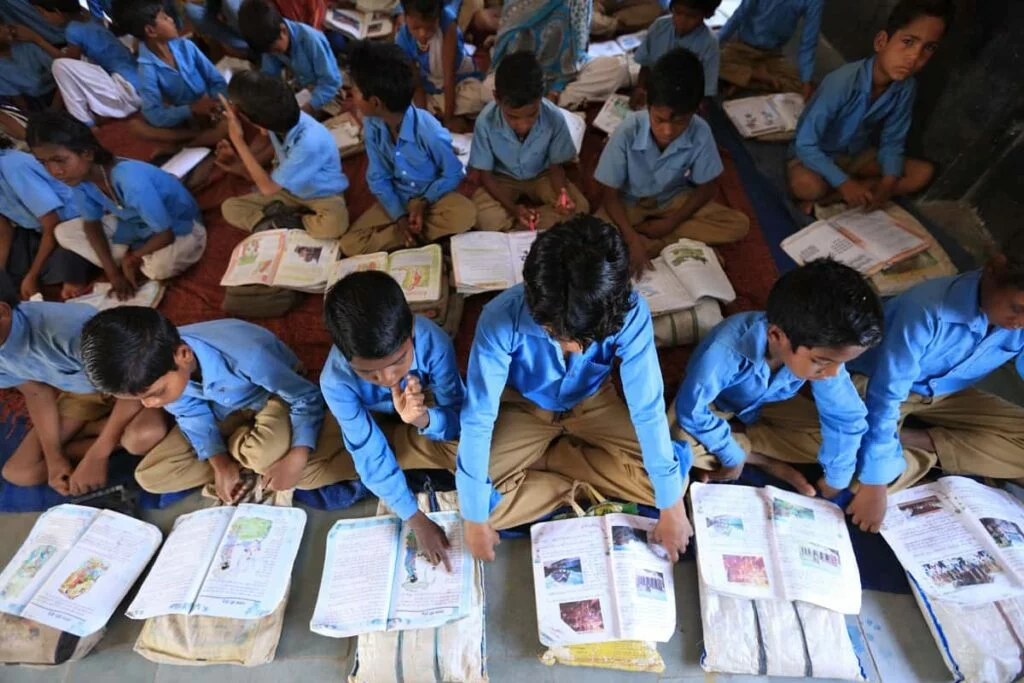
Many nonprofit organizations focus on improving access to quality education for children from disadvantaged backgrounds. Donations help fund school enrollment programs, learning materials, educational infrastructure, and teacher support initiatives.
Education empowers children with knowledge and skills that can help break the cycle of poverty and create better opportunities for the future.
Improving Healthcare and Nutrition
Charitable contributions often support healthcare services, nutrition programs, medical camps, and awareness campaigns. These initiatives help improve child health outcomes and reduce the risks associated with malnutrition and preventable diseases.
Healthy children are better able to learn, grow, and achieve their full potential.
Strengthening Child Protection
Children facing poverty and vulnerability may be exposed to risks such as child labour, trafficking, abuse, and exploitation. Donations support programs designed to protect children’s rights and provide safe environments for their development.
Organizations working in child welfare rely on donor support to strengthen protection systems and advocacy efforts.
Supporting Community Development
Sustainable change often requires empowering entire communities. Donations help fund programs that improve livelihoods, raise awareness, and strengthen local support systems that benefit children and families.
Eligibility for NGO Donation Tax Exemption
Tax benefits generally apply only when donations are made to approved and registered charitable organizations. Specific requirements vary by country, but donors typically need to ensure that:
- The organization has recognized tax-exempt status.
- The donation qualifies under applicable tax regulations.
- Contributions are properly documented.
- Donations are made through approved payment channels.
Verifying these requirements before donating can help ensure eligibility for available tax deductions.
Documents Required for Claiming Tax Benefits
To claim tax deductions on charitable donations, donors should maintain accurate records of their contributions.
Donation Receipt
A receipt issued by the nonprofit organization serves as proof of the donation and may be required during tax filing.
Payment Confirmation
Bank records, online transaction confirmations, or payment receipts help verify the donation amount and transaction details.
Organization Information
Details regarding the organization’s registration and tax-exempt status may be useful when filing tax returns and claiming deductions.
Maintaining proper documentation helps ensure a smooth and accurate tax filing process.
Common Mistakes to Avoid
Donors may lose potential tax benefits if they fail to follow applicable guidelines. Common mistakes include:
- Donating to organizations that are not tax-exempt.
- Failing to keep donation receipts.
- Providing incorrect tax information.
- Missing tax filing deadlines.
- Not reviewing local tax regulations.
Careful record-keeping and verification can help maximize eligible deductions.
How Cry America Supports Children and Communities
Cry America works to improve the lives of vulnerable children through programs focused on education, healthcare, nutrition, child protection, and community development. Donations help support long-term initiatives that address the root causes of inequality and create opportunities for sustainable growth.
Through donor support, Cry America continues to help children access essential services and build brighter futures.
Long-Term Benefits of Charitable Giving
The impact of charitable donations extends far beyond immediate assistance. Supporting nonprofit organizations contributes to:
- Better educational outcomes.
- Improved child health and nutrition.
- Stronger child protection systems.
- Reduced poverty.
- More resilient communities.
When individuals and organizations contribute consistently, they help create lasting positive change that benefits future generations.
Conclusion
NGO donation tax exemption programs encourage charitable giving by providing financial incentives to donors while supporting meaningful social causes. By contributing to eligible nonprofit organizations, individuals can help improve education, healthcare, child welfare, and community development while potentially reducing their taxable income.
Organizations like Cry America depend on donor support to continue their mission of empowering vulnerable children and communities. Understanding tax exemption benefits allows donors to make informed decisions and maximize the impact of their charitable contributions.
FAQs
1. What is NGO donation tax exemption?
It refers to tax benefits or deductions available to donors who contribute to eligible nonprofit or charitable organizations.
2. Are all NGO donations tax-deductible?
No. Tax deductions generally apply only to donations made to registered organizations that qualify under applicable tax laws.
3. What documents are needed to claim tax deductions on donations?
Donation receipts, payment confirmations, and organization details are commonly required for tax filing purposes.
4. How do charitable donations help children?
Donations support education, healthcare, nutrition, child protection, and community development programs that improve children’s lives.
5. How does Cry America use donations?
Cry America uses donations to fund initiatives focused on child rights, education, health, nutrition, and community empowerment, helping create lasting positive change.






Leave a Reply