




Have you ever noticed how a single phrase can change the mood of a room?
You’ll be standing in a noisy market, a cramped office, or a quiet family home when someone says “Yalla choy!” Suddenly, everything slows down. Smiles appear. Chairs move. Tea starts brewing.
It sounds casual. Almost throwaway.
But in reality, those two words carry generations of culture, warmth, and social intelligence.
If you want to understand Middle Eastern and Central Asian life beyond guidebooks and Google Translate, this phrase is your shortcut.
The Short Version (For Busy People)
-
Literal meaning:
-
Yalla = “Let’s go,” “Come on,” “Alright then”
-
Choy / Chai / Shaye = Tea
-
-
What it really means:
“Let’s pause and connect.” -
Where you’ll hear it:
Homes, offices, shops, tea houses—from Dubai to Tashkent. -
Why it matters:
It blends urgency with humanity. Hustle with hospitality.
What Does “Yalla Choy” Actually Mean?
On paper, it translates to something odd like “Let’s go, tea.”
But no one is talking to the tea.
Instead, the phrase signals a shift:
-
From work → conversation
-
From tension → ease
-
From arrival → belonging
When someone says Yalla choy, they’re really saying:
“You’re here now. Let’s take a moment.”
A Phrase Born From Movement and Trade
This expression is a cultural mash-up—and that’s exactly what makes it special.
-
“Yalla” comes from Arabic and is used everywhere: urging, agreeing, encouraging.
-
“Choy” comes from Persian, Turkish, and Central Asian languages.
Put together, the phrase reflects centuries of travel, trade, and shared customs along old caravan routes. Merchants might not have shared a native language—but they all understood tea.
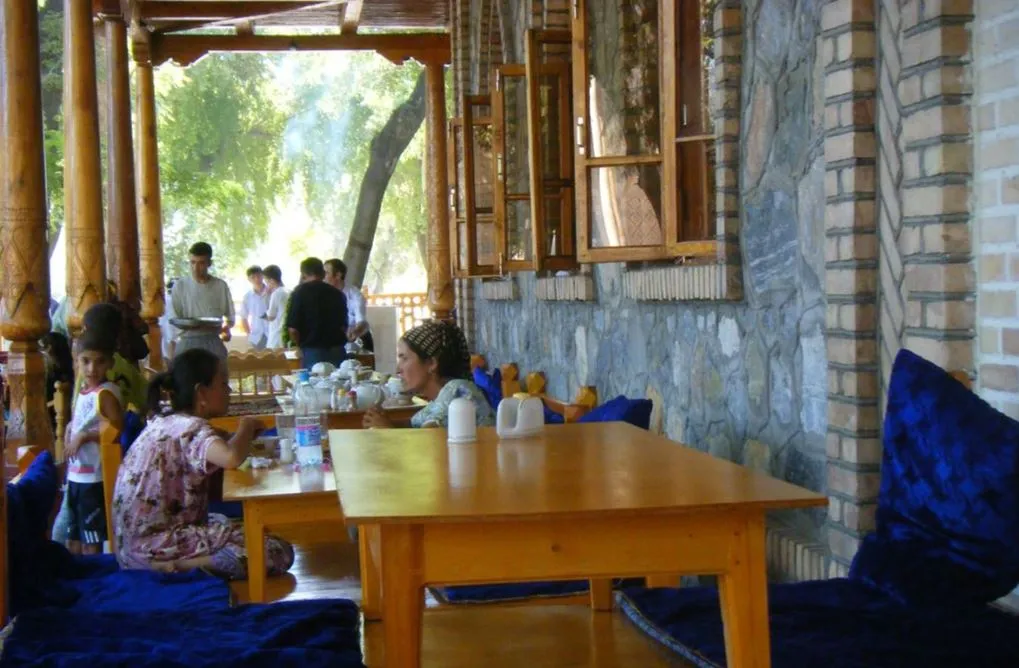
That legacy still lives on every time someone casually says, “Yalla choy.”
How the Phrase Changes Across Regions
| Region | Common Version | How It’s Used |
|---|---|---|
| Levant (Lebanon, Syria) | Yalla shaye | Relaxed, family-focused |
| Gulf countries | Yalla shaye / chai | Business hospitality |
| Central Asia (Uzbekistan, Tajikistan) | Yalla choy | Tea house culture |
| Mixed communities | Yalla choy | Friendly, informal |
Different accents. Same intention.
When Do People Say It?
1. When a Guest Walks In
In many homes, tea isn’t optional—it’s automatic.
“Yalla choy!” is the announcement that hospitality has officially begun.
2. When Work Gets Heavy
Meetings dragging on? Tempers rising?
Someone suggests tea—not as an escape, but as a reset.
3. When Friends Want to Connect
It’s the regional version of “Coffee?” or “Quick catch-up?”
Low pressure. High warmth.
Why Tea Matters (And Not Coffee)
Coffee is ceremonial.
Tea is communal.
Tea is:
-
Affordable
-
Served slowly
-
Shared without urgency
-
Seen as time well spent
So when someone says Yalla choy, they’re choosing connection over chaos—even if just for ten minutes.
How to Respond (Without Overthinking It)
If someone invites you with Yalla choy:
-
Smile – it’s genuine
-
Accept if you can – tea is rarely just tea
-
Reply with:
-
“Yalla!” (Let’s do it)
-
“Tamam.” (Perfect)
-
No grammar test. No pressure.
The Real Meaning, in the End
“Yalla choy” isn’t slang.
It’s not just language.
It’s a philosophy.
Move forward—but don’t forget people.
Work hard—but sit down together.
Chase progress—but pour the tea first.
So next time life feels rushed or noisy, borrow a little wisdom from the Silk Road.
Yalla. Choy.






Leave a Reply