




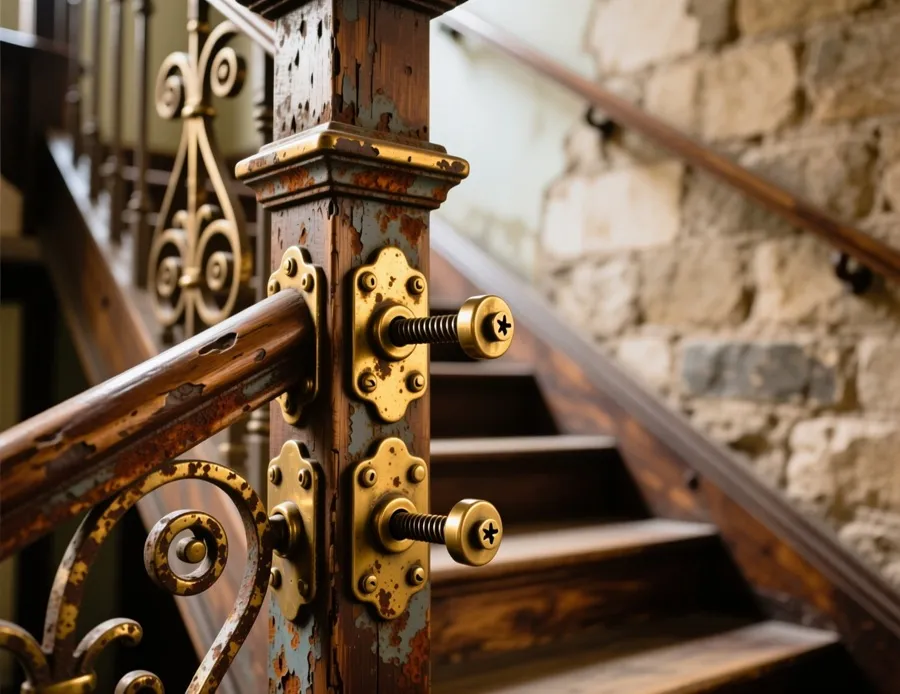
A strong banister makes a staircase safe, and the right fittings ensure it stays secure. Stair banister fixings are the small but important parts that hold the handrail and posts in place. Without them, even the best-looking banister will wobble or come loose. Understanding these fittings helps you maintain safety, add style, and make sure your staircase lasts for years.
Why Stair Banister Fixings Matter
Every staircase is used daily, often many times a day. The banister takes weight, pressure, and constant handling. Fixings act as the backbone of the structure. However, they connect the rail to the posts, which in turn connect to the floor or steps. If they fail, the whole banister system becomes weak and unsafe. A secure fixing prevents accidents, keeps the railing steady, and also improves the overall look of your staircase.
Types of Fixings Used in Banisters
Banisters need different fixings. You have to know what works for you. Knowing the options helps you choose. You might know that screws and bolts are common. They hold rails and posts tight. You can also fit them easily. Also, brackets are metal. They attach rails to walls or posts. Not only are they hidden, they’re also strong. Wooden dowels suit timber banisters and look neat with no screws. Glue, adhesives, and special connectors for glass or steel hold rails firmly. There must be a type that works for you.
Choosing the Right Fixing for Your Banister
Not all banisters are alike, and neither are their fixings. It is worthwhile to examine it well. Timber stairs often do best with screws or dowels. Ask an expert if you can’t figure it out. Glass or metal stairs need special brackets or connectors. Also, the weights of handrails should match the use. Heavy banisters need strong bolts or brackets. In contrast, lighter ones may only need screws. The finish is important too, so never skimp on it. Hidden fixings keep the banister smooth and neat. It is essential for the process. At the same time, visible fittings can add a modern or decorative touch. Always consider both design and strength when choosing.
Installation Made Simple
Fixings only work well if installed correctly. Take time to measure and align everything. A poorly placed screw or bracket can make the rail uneven. Start by marking where the posts and rails meet. Pre-drill holes if needed, especially in wood, to avoid splitting. Tighten bolts and screws firmly, but not so much that they damage the material. Always check that the banister feels solid after each step.
Clean the surfaces if you’re going to use an adhesive system. Follow the instructions on curing time. Never rush this step, since strong bonding depends on proper drying.
Common Problems and How to Fix Them
You can see signs of wear on banisters at times. Loose fittings are the most common issue. Screws may come out of the wood, or brackets may loosen. In such cases, replacing them with stronger or longer screws can help. For stripped holes, wood filler or new dowels can restore strength.
Sometimes posts wobble at the base because the original fixings have weakened. Reinforcing them with new brackets or additional bolts usually solves the problem. Always inspect the banister if you notice creaking, wobbling, or movement. Addressing small issues early prevents bigger problems later.
Safety First
Banisters are not only decorative. Their main purpose is safety. Properly fixed banisters prevent falls and support people while climbing stairs. Loose or broken fittings create hazards. Regular checks are important. Especially in homes with children, older people, or heavy stair traffic, keeping the fixings strong is critical.
Style and Design Considerations
Fixings are often small, but they can impact the look of your staircase. Hidden fittings are popular in modern homes for a clean and seamless style. Decorative brackets or bolts can add character in traditional or industrial interiors. With so many designs available, you can choose fittings that match your home’s look.
Finishes like chrome, brass, or matte black can be used to highlight the details. Wooden dowels keep everything natural. Think of fixings as part of the whole design, not only as functional pieces.
Professional Help vs DIY
Many homeowners fix banisters themselves. With the right tools and some care, it can be a straightforward project. However, if your staircase is large, complex, or made of special materials like glass or steel, professional installation is a safer option. Experts know which fixings to use and how to install them for maximum safety.
Final Thoughts
Stair banister fixings may look small, but they carry great importance. They keep staircases safe, sturdy, and stylish. From screws and brackets to dowels and modern connectors, there are many choices to match different designs. Proper installation and regular checks are key to long-lasting safety. Whether you are building new stairs or repairing old ones, the right fixings make all the difference. A secure banister not only improves safety but also adds to the beauty and comfort of your home.






Leave a Reply