
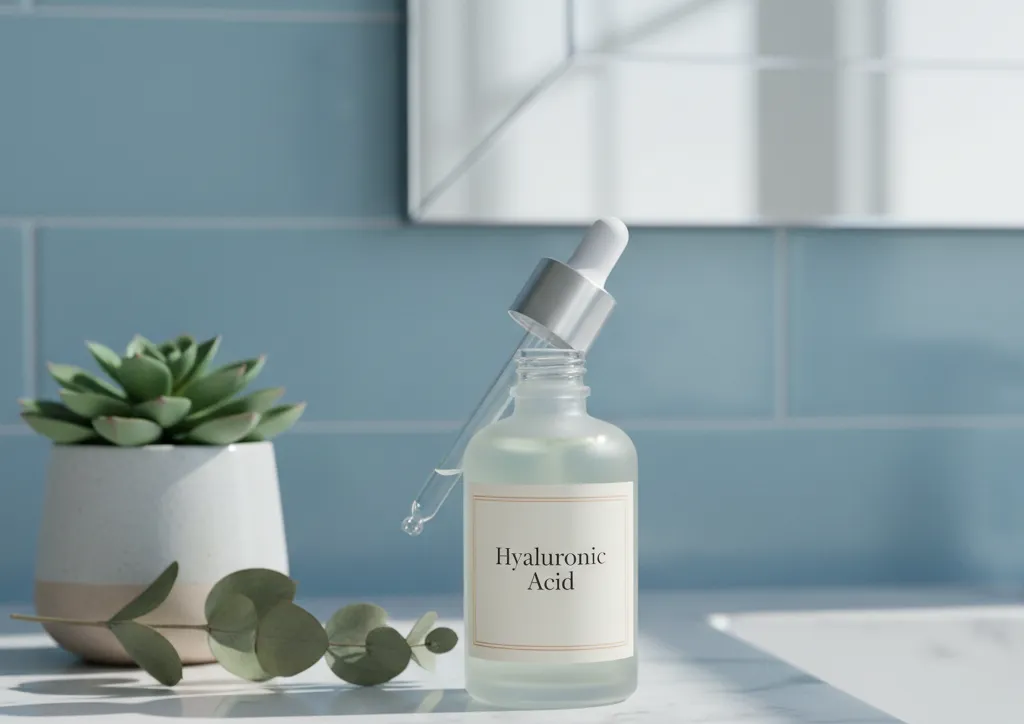



Hyaluronic acid has become one of the most popular ingredients in skincare, and for good reason. This powerful humectant can hold up to 1,000 times its weight in water, making it exceptionally effective at hydrating and plumping the skin. But what exactly is hyaluronic acid, and how can you incorporate it into your routine for maximum benefit?
This guide breaks down everything you need to know about hyaluronic acid skincare, from how it works to the best ways to use it for different skin types.
What Is Hyaluronic Acid?
Hyaluronic acid (HA) is a naturally occurring substance found in your skin, connective tissue, and eyes. Its primary function is to retain water and keep your tissues well-lubricated and moist.
As we age, our natural hyaluronic acid levels decline, which contributes to fine lines, dryness, and loss of volume. Topical hyaluronic acid products help replenish these levels, restoring moisture and improving skin texture.
Despite its name, hyaluronic acid is gentle and suitable for all skin types, including sensitive and acne-prone skin.
Key Benefits of Hyaluronic Acid for Skin
Deep Hydration
Hyaluronic acid attracts and binds water molecules to the skin’s surface, delivering intense hydration. This makes it particularly beneficial for dry or dehydrated skin that lacks moisture.
Reduces Fine Lines and Wrinkles
By plumping the skin with moisture, hyaluronic acid can temporarily minimize the appearance of fine lines and wrinkles. Well-hydrated skin looks smoother and more youthful.
Improves Skin Texture
Regular use of hyaluronic acid can improve overall skin texture, making it feel softer and appear more radiant. It helps create a smooth canvas for makeup application.
Supports Skin Barrier Function
A healthy moisture barrier protects your skin from environmental stressors and prevents water loss. Hyaluronic acid strengthens this barrier, helping your skin stay resilient.
How to Use Hyaluronic Acid in Your Skincare Routine
Choose the Right Formula
Hyaluronic acid comes in various forms, including serums, moisturizers, and masks. Serums typically contain higher concentrations and absorb quickly, making them ideal for layering under other products.
Apply to Damp Skin
For best results, apply hyaluronic acid to slightly damp skin. This allows the ingredient to draw moisture from the surface and lock it in. Mist your face with water or apply the product immediately after cleansing.
Layer Under Moisturizer
Hyaluronic acid works best when sealed in with a moisturizer or facial oil. This prevents the ingredient from drawing moisture from deeper skin layers, which can happen in dry environments.
Use Morning and Night
You can safely use hyaluronic acid twice daily. Apply it in your morning routine before sunscreen, and again at night before your moisturizer or night cream.
Who Should Use Hyaluronic Acid?
Hyaluronic acid suits virtually every skin type. Dry skin benefits from its intense hydration, while oily skin appreciates its lightweight, non-greasy texture. Those with sensitive skin can use it without concern, as it rarely causes irritation.
Even acne-prone skin can benefit from hyaluronic acid. Proper hydration helps balance oil production and supports healing without clogging pores.
Common Mistakes to Avoid
Using It in Very Dry Environments
In low-humidity conditions, hyaluronic acid may pull moisture from deeper skin layers if not properly sealed with a moisturizer. Always follow up with an occlusive product to lock in hydration.
Applying Too Much Product
A little goes a long way with hyaluronic acid. Using excessive amounts won’t increase benefits and may leave a sticky residue on your skin.
Skipping Sunscreen
While hyaluronic acid provides excellent hydration, it doesn’t protect against UV damage. Always apply broad-spectrum sunscreen as your final morning skincare step.
Maximizing Results with Hyaluronic Acid
Combine hyaluronic acid with other beneficial ingredients for enhanced results. Vitamin C brightens and protects, niacinamide calms inflammation, and retinol addresses signs of aging. These ingredients work synergistically with hyaluronic acid to improve overall skin health.
Consider products with multiple molecular weights of hyaluronic acid. Smaller molecules penetrate deeper into the skin, while larger molecules provide surface hydration. This combination delivers hydration at multiple levels for comprehensive benefits.
Your Path to Hydrated, Healthy Skin
Hyaluronic acid skincare offers a simple yet powerful way to improve hydration, texture, and overall skin appearance. By understanding how to properly use this ingredient and avoiding common mistakes, you can unlock its full potential.
Start with a quality hyaluronic acid serum, apply it to damp skin, and seal it with a moisturizer. With consistent use, you’ll notice softer, smoother, and more radiant skin that looks and feels its best.
Must Read: A Parent’s Guide to Baby Skin Care Products






Leave a Reply