



Managing your team is one of the most critical functions of any successful business. From hiring and onboarding to payroll and performance reviews, human resources tasks are complex and time-consuming. As your company grows, these processes can become overwhelming, leading to inefficiencies and compliance risks. This is where human resource management software comes in, offering a powerful solution to centralize and automate your HR operations. This guide will explore what this software is, its key features, and how to choose the right one for your organization.
What Are the Key Features of Human Resource Management Software?
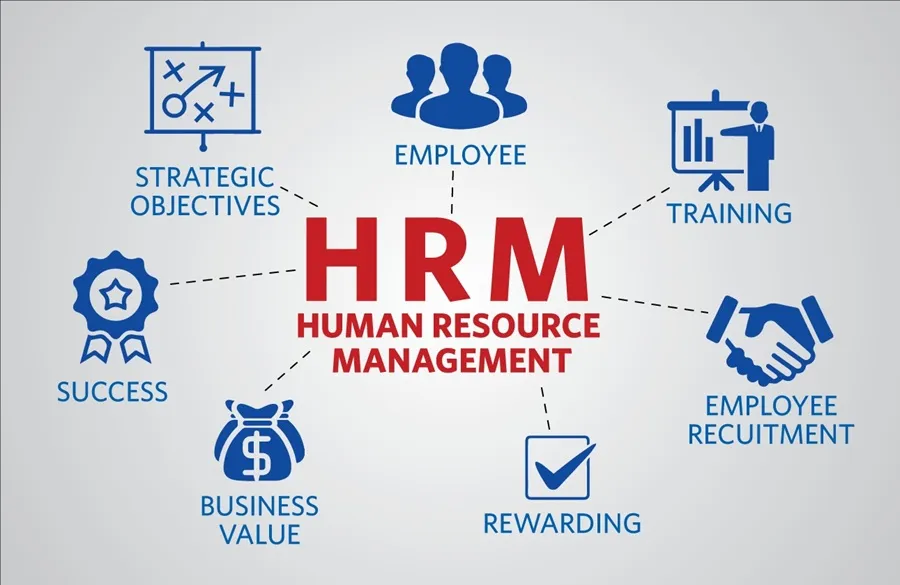
Human resource management software, often called an HRMS or HRIS (Human Resources Information System), is a digital tool that helps businesses manage and optimize their daily HR tasks. It combines numerous systems and processes to ensure easy management of human resources, business processes, and data. A comprehensive platform typically includes several core modules.
Employee Data Management
At its heart, this software provides a centralized database for all employee information. Instead of relying on scattered spreadsheets and paper files, you can securely store everything in one place. This includes personal details, contact information, job history, compensation, benefits information, and important documents. This creates a single source of truth, making it easy to access and update employee records.
Payroll and Benefits Administration
One of the most significant administrative burdens for any HR department is payroll. Human resource management software automates this entire process, from calculating wages and withholdings to processing direct deposits. It ensures accuracy and timeliness, reducing the risk of costly errors. Furthermore, it simplifies benefits administration, allowing employees to enroll in plans, view their coverage, and manage their benefits online.
Performance Tracking and Management
Effective performance management is key to employee development and retention. The software provides tools to set goals, conduct performance reviews, and gather 360-degree feedback. Managers can track employee progress against key performance indicators (KPIs) and maintain a continuous dialogue about performance. This data-driven approach helps identify top performers and areas for improvement, fostering a culture of growth.
Recruitment and Applicant Tracking System (ATS)
Attracting and hiring top talent is a competitive endeavor. An integrated Applicant Tracking System (ATS) streamlines the entire recruitment lifecycle. You can post job openings to multiple boards at once, manage applications, screen candidates, schedule interviews, and collaborate with hiring managers. This automation speeds up the hiring process and helps you find the best fit for your team.
The Benefits of Using Human Resource Management Software
Implementing a robust HR software solution offers significant advantages that extend beyond simple automation. It transforms the HR function from a purely administrative role into a strategic partner in the business.
- Improved Efficiency and Productivity: By automating repetitive tasks like payroll, data entry, and report generation, HR professionals can free up valuable time. This allows them to focus on more strategic initiatives, such as employee engagement, talent development, and succession planning.
- Enhanced Compliance and Reduced Risk: Labor laws and regulations are constantly changing. Human resource management software helps you stay compliant by automating tax filings, generating required reports, and ensuring adherence to standards like the Fair Labor Standards Act (FLSA). This significantly reduces the risk of fines and legal disputes.
- Greater Data Accuracy and Insights: Centralizing all HR data in one system eliminates redundancies and reduces the likelihood of human error. With powerful analytics and reporting tools, you can gain valuable insights into workforce trends, such as turnover rates, compensation benchmarks, and diversity metrics, enabling data-informed decision-making.
- Improved Employee Experience and Satisfaction: Modern HR software often includes self-service portals where employees can access their own information, request time off, view pay stubs, and manage their benefits. This empowerment and transparency lead to a better employee experience, boosting morale and engagement.
Comparing Popular HR Management Software Options
The market for human resource management software is vast, with options catering to businesses of all sizes and industries. Here’s a look at a few popular choices.
For Small Businesses: Gusto
Gusto is widely praised for its user-friendly interface and strong focus on small businesses. It excels at full-service payroll, benefits administration, and basic HR functions. It’s an excellent choice for startups and small companies that need a simple, all-in-one solution without the complexity of enterprise-level systems.
For Growing Businesses: Rippling
Rippling stands out for its ability to manage not only HR but also IT. It acts as a comprehensive workforce management platform, allowing you to handle everything from payroll and benefits to app and device management. This integrated approach is ideal for fast-growing companies that need a scalable solution to manage their entire employee lifecycle.
For Mid-Sized to Enterprise Businesses: BambooHR
BambooHR offers a comprehensive suite of HR tools designed for mid-sized businesses. Its strengths lie in its robust data and analytics capabilities, performance management features, and exceptional employee experience focus. While it integrates with third-party payroll providers, its core function is to be the central hub for all employee data and HR processes.
How to Choose the Right HR Software for Your Business
Selecting the right human resource management software is a critical decision. Here are some tips to guide your choice:
- Assess Your Needs: Start by identifying your primary pain points. Are you struggling with payroll accuracy? Is your recruitment process too slow? Do you need better performance management tools? Make a list of must-have features.
- Consider Your Company Size and Scalability: A solution for a 10-person startup will differ from one for a 500-person enterprise. Choose a platform that fits your current size but can also scale with you as your company grows.
- Prioritize User Experience: The software will be used by HR staff, managers, and employees. Ensure it is intuitive and easy to navigate for all user types. A clunky interface will hinder adoption and limit the tool’s effectiveness.
- Evaluate Integration Capabilities: Your HR software should work seamlessly with other business tools you already use, such as accounting software, project management platforms, and communication apps. Check for pre-built integrations to avoid data silos.
- Request Demos and Free Trials: Don’t just rely on marketing materials. Schedule demos with your top contenders to see the software in action. Take advantage of free trials to test the functionality with a small group of users.
The Future of Your HR Department
Human resource management software is no longer a luxury—it’s an essential tool for modern businesses. By automating administrative tasks, ensuring compliance, and providing valuable data insights, it empowers your HR team to become a strategic force within your organization. More importantly, it helps create a more efficient, compliant, and engaging workplace for your employees. Take the time to explore your options and find a solution that will support your team and drive your business forward.
Read Also: How Global Payments Solutions are Changing the Game in 2026






Leave a Reply