




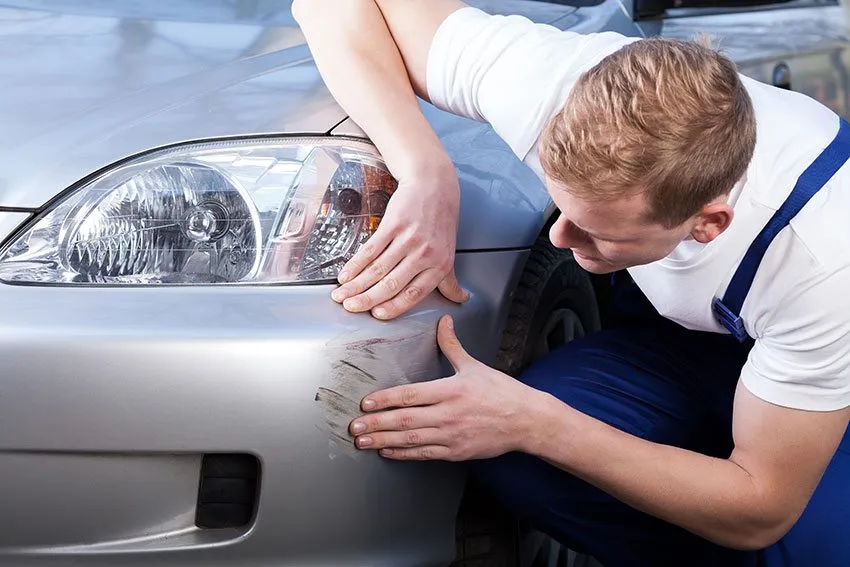
Paint chips on your car can really frustrate you. They make the vehicle look old and can lead to rust if ignored. Learning how to fix paint chips on car helps you protect both appearance and value. Also, taking action quickly avoids bigger and more costly problems.
Why Paint Chips Happen
Paint chips are very common. Small stones and road debris can easily hit the surface while driving. Moreover, harsh weather, road salt, and improper washing can cause paint damage. At the same time, age and exposure to the sun weaken car paint. Knowing the cause helps you prevent future chips. You have to be very careful about the paint chips.
Why Fixing Paint Chips Matters
Even small chips can turn into bigger problems. Exposed metal under paint starts to rust quickly. Also, rust can spread below the surface and weaken your car’s body. Moreover, chipped paint makes the car look poorly maintained. At the same time, fixing chips keeps the resale value strong. If you ignore the problem, it only becomes bigger in the long run.
Cleaning the Damaged Area
Before repair, clean the chipped area properly. A mild soap and some water will wash away the grease. Also, dry the surface completely before starting. Rubbing alcohol takes care of the grease very efficiently. At the same time, a clean surface ensures paint or filler sticks better. Be very gentle when you are rubbing the car dry.
Sanding the Edges of the Chip
Sanding helps smooth rough edges around the chip. Also, it allows new paint to blend more naturally. Use very fine sandpaper and move gently in small circles. Moreover, sanding prevents peeling later. At the same time, do not oversand, or you might scratch healthy paint. Remember, sanding is an activity best done with care and tenderness.
Applying Primer
Primer protects the metal under the paint. Also, it makes sure the touch-up paint bonds well. Moreover, primer prevents rust from forming in the damaged spot. Apply a thin coat with a small brush or pen. At the same time, let it dry fully before painting. Do not try to overdo the primer process.
Touch-Up Paint Application
Once the primer dries, apply matching touch-up paint. Also, always choose the exact colour code for your car. Moreover, use thin layers instead of one heavy coat. At the same time, allow each coat to dry before adding the next. Thin coats give a smoother finish. A final touch-up is always essential.
Sealing With Clear Coat
Clear coat protects the touch-up paint from fading. Moreover, it gives the surface a glossy, polished look. You also get a shield from the sunlight. At the same time, apply it gently and let it dry well. Skipping this step leaves paint vulnerable to damage. Sealing your car with a clear coat
Polishing the Area
After the paint and clear coat dry, polish the area lightly. Also, use a soft cloth and gentle polish. Moreover, polishing helps blend the new paint with the old surface. At the same time, it restores the shine and smooth finish. Polishing makes the repair less noticeable. Polishing is essential for the car cleaning process.
DIY vs Professional Repair
Some chips are small and easy to fix at home. Also, DIY kits are cheap and widely available. Moreover, larger chips or multiple spots may need professional care. At the same time, experts have the tools and skills for perfect results. You can choos between DIY and professional repair depends on the size. A professional can help you obtain astonishing results.
Preventing Future Paint Chips
Prevention is easier than constant repair. Also, avoid driving too closely behind other cars. Schedule regular car washes to get rid of all the dirt. At the same time, waxing creates a protective layer on paint. Using car covers can also reduce exposure to the sun and debris.
When to See a Professional
If chips are large or rust has already formed, call a professional. Moreover, deep chips that expose bare metal need expert treatment. Also, body shops offer services that restore factory-level finish. At the same time, professional work ensures lasting protection and better resale value.
Final Thoughts
Paint chips on cars may look small, but cause big trouble if ignored. Also, fixing them early prevents rust and saves money. Moreover, simple DIY methods can handle small spots effectively. At the same time, professionals are best for larger damage or long-term protection.
Taking time to repair chips keeps your car looking new and protects its value. If your car is cleaned and well-maintained, it only reflects your care. By learning how to fix paint chips on a car, you can drive with pride and confidence.





Leave a Reply