




I still remember the first time I tried to send money to a friend overseas a few years ago. I walked into my bank, filled out a mountain of paperwork, paid a hefty fee, and was told, “It should get there in 3 to 5 business days.”
Three days? In an era where I can video chat with someone on the other side of the planet instantly, waiting a week for money to move felt… ancient.
If you’ve ever felt that frustration, you’re not alone. But here’s the good news: things are changing fast. Thanks to modern cross-border payment networks, sending money internationally is becoming as easy as sending a text message.
Let’s break down how this works, why it’s faster, and how you can use these networks to keep more of your hard-earned cash.
What Are Cross-Border Payment Networks?
Think of the traditional banking system like a series of connecting flights. If you want to fly from New York to a small town in Italy, you can’t go direct. You have to fly to a hub, change planes, maybe change airlines, and finally land. Each stop takes time and costs money.
In the banking world, these “stops” are called correspondent banks. When you send money via a traditional wire (like SWIFT), your money hops from your bank to a middleman bank, then maybe another, before finally reaching your recipient.
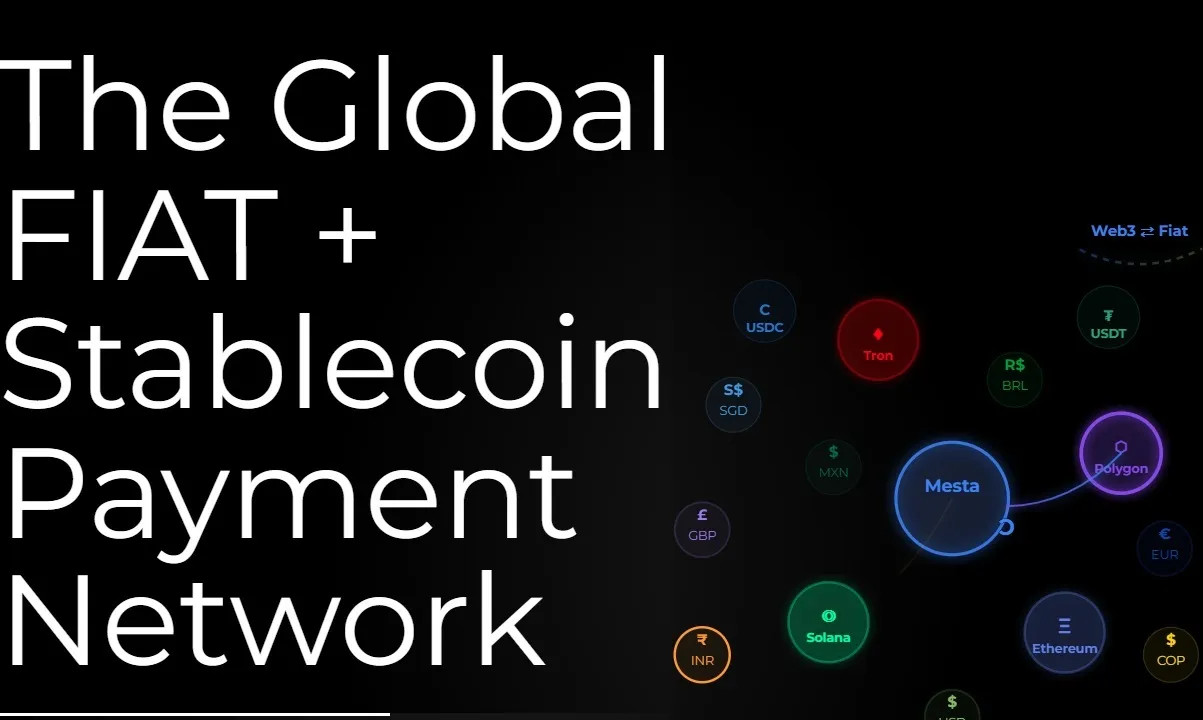
Cross-border payment networks (like Wise, Ripple, or even connections like India’s UPI linked to Singapore’s PayNow) are like a direct flight. They cut out the middlemen. They connect financial systems directly or use smart technology to bypass the old, slow relay race of banks.
Pro-Tip: If you see the term “SWIFT” on your transfer receipt, you are likely using the “connecting flight” method. It’s reliable, but usually the slowest and most expensive option for smaller amounts.
How Do They Make Transactions Faster?
You might be wondering, “How does the money move so fast? Does it fly?”
Here is the secret: In many modern networks, the money doesn’t actually cross a border.
It sounds wild, but here is how it often works with modern fintech apps:
-
You send 1,000 USD to the transfer company’s bank account in the USA.
-
The company sees the deposit and instantly alerts their bank account in Europe.
-
The European account sends the equivalent Euros to your friend’s local bank account.
Because the money never technically had to go through the slow international clearing process, the “transfer” happens in seconds or minutes, not days.
Why Should You Care? (The Real Benefits)
Aside from speed, there are two massive reasons to switch to these modern networks.
1. Transparency (No More Mystery Fees)
Old-school banks love “hidden” fees. They might say the transfer fee is $0, but they give you a terrible exchange rate.
-
Bank Rate: 1 USD = 0.90 EUR
-
Real Market Rate: 1 USD = 0.95 EUR
That difference is a hidden tax on your money. Modern networks usually show you the Mid-Market Rate (the real rate you see on Google) and charge a small, transparent upfront fee.
2. Tracking
Remember that “3 to 5 days” window? The worst part was not knowing where your money was during that time. Modern networks offer real-time tracking. You can see exactly when the money leaves your hand and hits your friend’s account.
Pro-Tip: Always look at the “Amount Receiver Gets” rather than the “Transfer Fee.” A company might charge a higher fee but give you a much better exchange rate, meaning your recipient actually gets more money in the end.
Challenges You Might Still Face
I don’t want to paint a perfect picture—there are still hurdles.
-
Weekends and Holidays: Even fast networks rely on local banking systems. If you send money on a Friday night, it might arrive instantly in the destination country, but the local bank there might be closed until Monday.
-
Verification Limits: To prevent fraud, these networks have strict “KYC” (Know Your Customer) rules. If you try to send a large amount for the first time, they might pause the transfer and ask for a photo of your ID.
Final Thoughts
The days of waiting a week for a wire transfer are ending. Whether you are a freelancer getting paid by a client abroad, or just sending a birthday gift to a cousin, cross-border payment networks are your best friend. They are faster, usually cheaper, and far less stressful than the old bank queue.
So, the next time you need to send money, don’t just default to your regular bank app. Take two minutes to compare.




Leave a Reply