

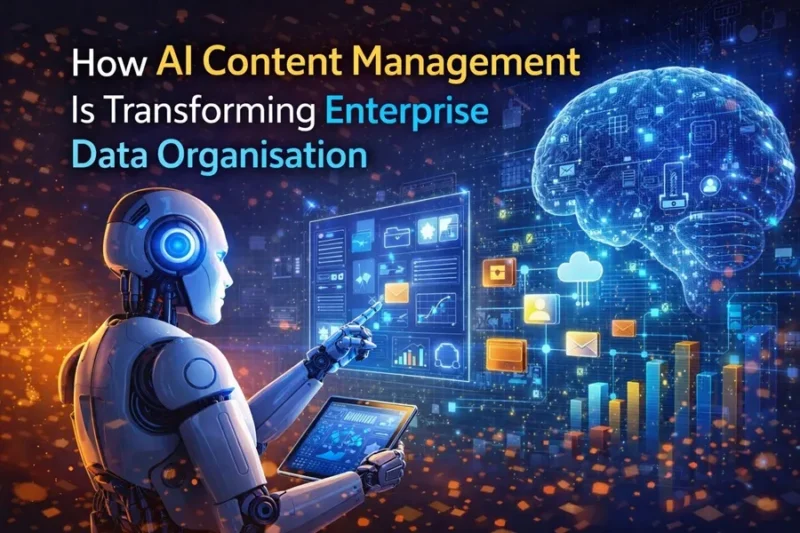


When you look at the mountain of digital files a modern business creates every week, it is easy to see why things get messy. For a long time, the only way to keep track of information was to have a person manually name every folder and file, which is a bit like trying to organise a massive warehouse by hand without any labels on the boxes. It is a realistic observation that most people simply do not have the time to file every document perfectly, so they end up with a digital junk drawer of old contracts, half-finished drafts, and outdated reports. As projects get more complex, the search for a single piece of data becomes a major drain on the workday. The real cost of a messy file system is the hours of human effort lost to simple hunting and pecking.
Moving Away From The Manual Filing Cabinet
The biggest change we see today is that computers are finally able to understand the actual meaning of the words inside a file rather than just looking at the filename. In the past, if you wanted to find every document related to a specific client from three years ago, you had to hope that someone had put the right date and name in the title. This is where AI content management starts to shift the burden away from the employee and toward a smarter system that organises itself. Instead of waiting for a person to tag a file as a legal contract or a tax form, the software scans the text and automatically tags it as such.
Small deviations in how we save and share our work can lead to big problems if security rules are not followed every time. Companies like Egnyte provide a fact-based approach to handling this by using a system that monitors your data and flags anything that might pose a risk. This practical approach to content intelligence means the platform can spot a social security number or a private bank detail even if it is buried in a thousand-page document. It is simple logic: if the software is doing the boring work of scanning for risks, the team is free to focus on the creative parts of their job.
Building A Smarter Path For Information Discovery
The frustration of knowing that a piece of information exists but being unable to find it when you need to make a fast decision. A realistic observation is that most businesses are sitting on a goldmine of old project data that they never use because it is too hard to dig out of the archives. With AI content management, the system creates a bridge between those old files and the new work you are doing today. You can ask the system a question about a past project, and it will pull the relevant facts from across your entire history in seconds.
The security of your information also becomes much stronger when the system is smart enough to know who should have access to what. A rigid system that is too hard to use actually creates more risk because employees will find shortcuts to get their work done. A modern system understands the work’s context and makes it easy for the right people to collaborate while keeping truly private files invisible. This simple “smart access” logic makes the whole office run much more smoothly, without the usual friction of old-fashioned security blocks.
Reducing The Waste Of Digital Storage
As a company grows, it often pays for massive amounts of storage that it does not really need. A realistic observation about corporate data is that about 60% of it is either a duplicate or a version of a file that is no longer useful. When you try to find the “final” version of a presentation and end up with 10 different files with almost the same name. Using AI content management helps clean up this digital clutter by identifying duplicate copies and asking whether they can be deleted or moved to a cheaper archive.
Repeated saving of the same attachment from an email is what leads to this bloat. When the system is smart enough to see that two files are identical, it can replace them with a single master copy that everyone can use. This simple data hygiene logic not only saves money on server costs but also makes your search results much cleaner. It is a practical way to keep the business agile and avoid the “data hoarder” trap that many old firms fall into.
Creating A Culture Of Shared Knowledge
One of the biggest hurdles in a large office is when a key person leaves, taking all their knowledge with them. In the past, if you did not know which folder the person used, their work might as well have disappeared. It is a realistic observation that tribal knowledge is fragile and can break a project if it is not captured. By using a smarter way to manage your files, you are creating a digital memory for the whole company. The system can see how projects were connected and who worked on what, making it much easier for a new hire to get up to speed.
The goal of technology is not to replace human thinking, but to give us a better place to store it. When your files are organised by their actual value rather than just their date, the whole team can see the big picture. This simple logic of “content as a service” means that your information is always ready to use, no matter who created it or when it was saved. It is a realistic observation that the most successful companies in 2026 are those that treat their data as a living asset rather than a dead archive.
In the end, the goal of these new tools is to make the digital workspace feel as organised and helpful as possible without requiring a team of full-time librarians. While the move to a smarter system can feel like a big shift, it is usually the path that leads to much less stress for everyone in the company.
Must Read: What Is Portfolio Diversification and Why Every Indian Investor Needs US Exposure






Leave a Reply