




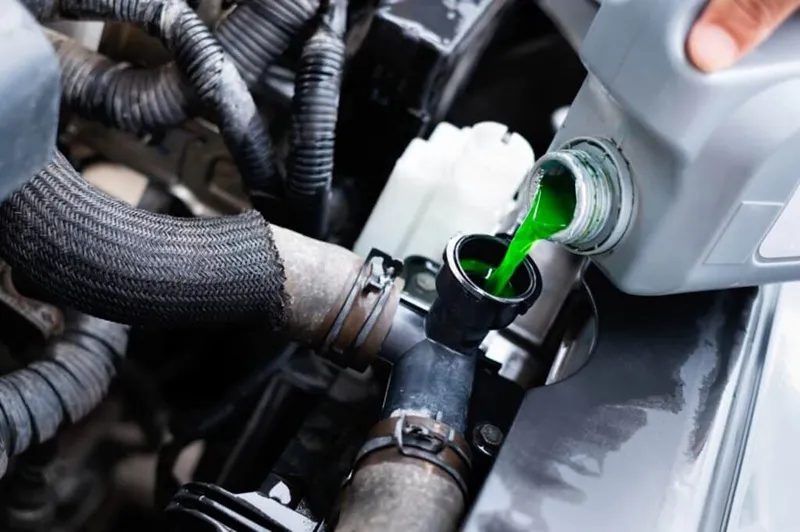
A coolant leak can damage your engine fast. Coolant leak cost to fix is determined by what type of leak you have. Some leaks are small and cheap. Others need parts and labour, which cost more. Ignoring a leak can cause big problems. The engine can overheat. It may need expensive repairs. Fixing leaks early saves money. Also, regular maintenance can prevent leaks. Knowing the signs helps you act quickly.
Signs of a Coolant Leak
Look for puddles under your car. Coolant is usually green, orange, or pink. Steam from the hood is another sign. The engine may overheat quickly. Low coolant levels indicate a leak. A heater not working well can show a problem. The sweet smell from the engine area is a clue. Catching leaks early reduces repair costs and prevents bigger engine damage. Also, odd noises can mean a failing water pump or other cooling system issues. Check belts and hoses regularly. Small cracks or loose clamps can make leaks worse over time. Regular inspection helps spot problems before they get expensive.
Types of Coolant Leaks
Leaks can come from hoses, the radiator, the water pump, or the head gasket. Hoses can crack or loosen over time. Radiators may rust or develop holes. Water pumps can fail and leak. Head gasket leaks are serious and costly. Each type affects repair costs differently. Small hose leaks are cheap to fix. Big gasket problems can cost hundreds or more. Thus, you must understand what the problem is. Different leaks will have different fixes. And hence, a different fixing cost.
Factors Affecting Cost
Labour charges vary by workshop. Parts quality also affects cost. Car make and model matter. Older cars may need extra work. Some cars have complex cooling systems. Coolant type can change the cost, too. DIY repairs reduce labour costs. However, some leaks need professional tools. Location of the leak also matters. Some are easy to reach, others are hidden. Hidden costs are a nuisance. They can come out of nowhere and drain your pockets.
Average Cost to Fix
Minor hose leaks cost around $50–$150. Radiator repairs range $200–$500. Water pump replacement costs $300–$700. Head gasket repair can go $1,000 or more. Labour makes up a big part of the cost. Parts can be pricey depending on your car type and model. However, if you want to prevent damage, invest in early detection. Use as many quality parts as you can to reduce costs in the long run. Regular maintenance helps spot small leaks early. Coolant flushes every few years also protect the system. Checking clamps, hoses, and belts adds extra safety. Don’t overlook small issues, or you’ll have a lot to pay for.
DIY vs Professional Fix
Simple hose leaks can be DIY. Use proper coolant and clamps. Check hoses for cracks or loose fittings. Radiators and water pumps are harder to fix. Professionals have the tools to repair them safely. Head gasket leaks always need experts. DIY mistakes can make problems worse. Also, professionals can spot hidden leaks you may miss. You don’t have to rely on yourself for every little leak that you have. Leave some for the professionals and you’ll never be disappointed.
Preventing Coolant Leaks
Check coolant level regularly. Inspect hoses for cracks or looseness. Flush the cooling system every few years. Use the correct coolant type. Avoid cheap aftermarket parts. Keep an eye on the temperature gauge. Preventing leaks reduces repair costs. Also, clean the radiator to avoid clogs. Simple checks save time and money. It is quite astonishing how most coolant leaks can be avoided by simply keeping an eye out.
Tips to Save Money
Fix leaks early. Shop around for quotes. Compare parts and labour costs. Choose quality parts to avoid repeat repairs. DIY small issues if confident. Also, regular maintenance helps reduce surprises. Document all repairs for future reference. Some workshops offer package deals on cooling system service. Planning can save big. Save as much as you can with these tips.
When to Act Fast
If your engine overheats, stop driving immediately. Low coolant level or puddles under the car need quick attention. Ignoring leaks can lead to total engine failure. Early repair avoids bigger costs. Keep emergency coolant in your car if needed. Also, monitor the temperature gauge on long trips. Quick action saves money and prevents damage.
Final Thoughts
Costs to fix any kind of coolant leaks depend on the type and location of the leak. Minor leaks are cheap, major ones expensive. Early detection is key to saving money. Regular maintenance helps prevent leaks. Know the signs and act fast. Avoid overheating and engine damage. Proper repair keeps your car running longer. A professional agency can help with safe and timely coolant leak repairs.






Leave a Reply