




Seeing the world through a cloudy lens can affect daily life. If reading, driving at night, or recognizing faces has become difficult, the cause is often a cataract. The good news is that cataract surgery can restore vision safely. At Dr Agarwals Eye Hospital, patients receive expert evaluation and modern treatment that prioritizes comfort and clarity.
What is cataract surgery
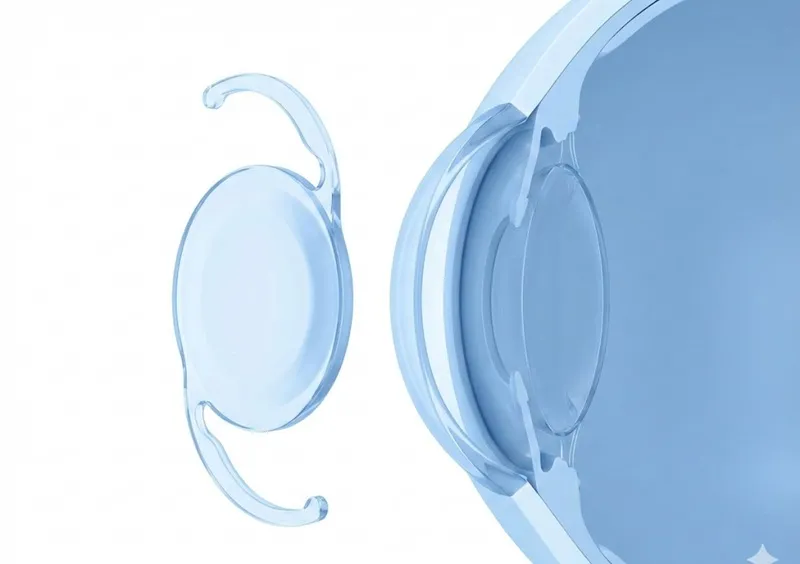
Cataract surgery is a quick outpatient procedure that removes the eye’s natural lens when it turns cloudy and replaces it with a clear artificial intraocular lens. The cloudy lens is gently broken into tiny fragments using ultrasound energy and removed through a micro incision. A foldable lens is then placed inside, where it stays permanently. The whole process usually takes 15 to 20 minutes and is performed under topical anesthesia, so you remain awake but feel no pain.
When should you consider it
You do not need to wait for a cataract to become ripe. Doctors at Dr Agarwals Eye Hospital recommend cataract surgery when blurred vision interferes with work, hobbies, or independence. Common signs include glare from headlights, frequent changes in glasses power, faded colours, and difficulty in low light. A detailed eye examination confirms the stage and helps choose the right lens for your lifestyle.
Modern techniques we use
Dr Agarwals Eye Hospital offers advanced options tailored to each eye. Phacoemulsification remains the gold standard for most patients. For those seeking blade-free precision, femtosecond laser-assisted treatment provides computer-guided incisions and gentle lens softening. Premium intraocular lenses, including multifocal, trifocal, and toric designs, reduce dependence on glasses after the operation. Every technique is selected after thorough diagnostics, not as a one-size-fits-all solution.
What to expect on the day
Your visit begins with measurements and counselling. After dilating drops and numbing drops, you are taken to the operating theatre. During cataract surgery, you will see bright light but no discomfort. Once the new lens is in place, a protective shield is applied and you rest briefly before going home the same day. Most patients notice clearer vision within 24 hours.
Recovery and aftercare
Healing is fast but careful aftercare matters. Use prescribed drops, avoid rubbing the eye, and wear sunglasses outdoors for a week. Heavy lifting and dusty environments should be avoided for a few days. Follow-up visits at Dr Agarwals Eye Hospital ensure the lens is well positioned and eye pressure is normal. Most people resume reading, television, and light work the next day.
Why choose Dr Agarwals Eye Hospital
With decades of experience, a network of specialists, and NABH accredited protocols, Dr Agarwals Eye Hospital combines technology with human care. From precise diagnostics to personalized lens selection and transparent counselling, the focus remains on safety, outcomes, and your comfort throughout the journey.
FAQs
1. Is the procedure painful?
No. Numbing drops are used, so you feel pressure but not pain. The procedure is brief and most patients remain relaxed throughout.
2. How long does vision take to stabilize?
Many see better the next morning. Full clarity often settles in one to two weeks as the eye heals and adapts to the new lens.
3. Will I need glasses after cataract surgery?
It depends on the lens chosen. Standard monofocal lenses give clear distance vision, so reading glasses may still be needed. Premium multifocal or trifocal lenses can reduce spectacle dependence for many activities.
4. Is both eye surgery done together?
Usually not. Surgeons at Dr Agarwals Eye Hospital typically operate one eye at a time, with a gap of a few days to weeks, allowing the first eye to heal and ensuring best outcomes.
5. What is the right age for the procedure?
There is no fixed age. Cataracts can develop after 50, earlier with diabetes or trauma. The decision is based on visual needs, not age alone.






Leave a Reply