




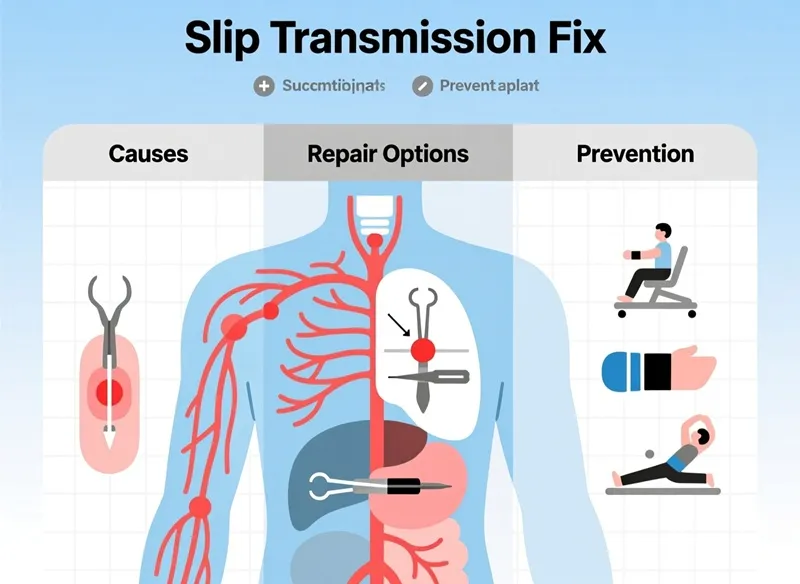
A slipping transmission makes driving stressful. Gears may change late or fail to stay in place. The car feels weak, and the engine works harder than usual. Safety can also be at risk. Learning about slip transmission fix methods helps drivers understand the problem and take early action before it becomes severe. Also, it will give you a good idea about how to approach a transmission error.
What Is Transmission Slipping
Transmission slipping happens when gears fail to engage properly. You press the accelerator, but the car does not move forward with normal power. Instead, the engine revs up more than it should. Sometimes the shift feels rough or delayed. Drivers may also hear unusual sounds like whining or grinding. In many cases, a burning smell can come from the transmission fluid. Automatic cars are more likely to face this issue, but manual gear systems can also slip if there is wear and tear inside.
Common Signs to Watch For
A slipping transmission shows itself in different ways. The most common problem is delayed gear shift. The car may hesitate when moving from one gear to another. High engine RPMs without matching speed are another clear sign. Strange noises, such as grinding or humming, often point to internal wear. A burning smell may mean the fluid is old or overheated. In many cases, a warning light appears on the dashboard. These signs should never be ignored. Acting early can prevent bigger repair bills later.
Why Transmissions Slip
There are several reasons a transmission may slip. Low fluid level is the most common cause. Without enough fluid, gears cannot move smoothly. Old or burnt fluid also leads to slipping because it loses its ability to protect and lubricate the parts. Damaged clutch plates or faulty transmission bands stop gears from holding properly. Faulty solenoids or sensors can stop the system from sending signals at the right time. General wear and tear over the years of use can also cause slipping, especially in cars that have not been serviced regularly.
Can You Fix It at Home
Some minor problems can be handled without visiting a mechanic. Checking fluid levels is the first step. Low fluid can be fixed by adding the right type. If it is dirty or smells burnt, a full fluid change may be needed. Cleaning around the transmission pan and replacing the filter also improves performance. Simple steps like these may solve the problem if caught early. However, more complex issues, such as worn parts, faulty solenoids, or damaged clutches, cannot be fixed at home. Modern transmissions are highly technical, and forcing a repair without training can create more damage.
Professional Repair Options
When basic checks do not solve the problem, a professional mechanic is the best option. At the workshop, the first step may be a full transmission flush. The fluid that’s old and dirty is replaced by a new fluid. The clogged filter is changed. However, worn bands or clutch plates may be repaired or replaced by the mechanic. In cases where the solenoid is faulty, replacement ensures proper gear signals. If the damage is too severe, a full rebuild or replacement of the transmission may be needed. While expensive, this is sometimes the only solution to restore safe driving.
Preventing Transmission Slipping
Prevention is easier than repair. Regular fluid checks are the best way to keep the transmission healthy. The fluid must stay clean and at the proper level. Changing fluid and filters on schedule avoids buildup and overheating. Smooth driving also makes a difference. Hard acceleration, sudden stops, or pulling heavy loads can strain the transmission.
Fixing small leaks quickly prevents the fluid from dropping too low. Regular servicing according to the car manual ensures problems are spotted before they turn serious. These steps lower the risk of slipping and make the transmission last longer. You need to take greater care of the transmission errors to have a smooth vehicle.
Final Thoughts
A slipping transmission should never be ignored. Many people ignore this and suffer as a result. It has to be It often starts with small signs like late gear changes, high engine revs, or a burnt smell. If left alone, the problem gets worse, and repairs become costly. Some cases improve with simple fixes like adding or changing transmission fluid.
Bigger issues need a mechanic’s help. Remember, you don’t need to do everything yourself. Acting early gives a better chance to save the transmission and avoid a full rebuild. With regular checks and careful driving, slipping can often be prevented, keeping the car safe and smooth for years.




Leave a Reply