




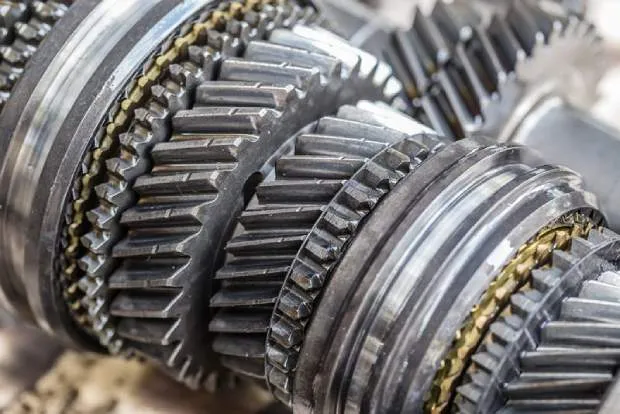
Transmission slipping can be frustrating. It affects your driving comfort and vehicle safety. A transmission slipping fix helps restore smooth gear changes and prevents further damage. Understanding the causes and solutions is essential for every car owner. Acting early saves money and avoids bigger problems later. You have to keep a few things in mind in this regard.
What Causes Transmission Slipping
Transmission slipping happens when the gears fail to engage properly. This can lead to delayed acceleration, engine revving without movement, or strange noises. One common cause is low transmission fluid. Fluid lubricates gears and keeps the system running efficiently. Never underestimate the importance of brake fluid. Always replenish it when running low.
Worn-out clutch plates or bands are another common cause of slipping. Over time, these parts wear out and need replacement to keep the transmission working properly. Contaminated or old transmission fluid can lower performance. At the same time, problems with the torque converter can stop power from transferring smoothly. Electrical problems in modern automatic transmissions may trigger slipping as well. At the same time, ignoring early signs can make repairs much more expensive.
Signs You Need a Transmission Slipping Fix
It is important to recognize warning signs early. The car may jerk or hesitate while shifting. You might notice high engine RPMs without an increase in speed. Strange noises like whining, clunking, or buzzing are common indicators. Do not overlook these small glitches in the radar.
However, a slow response when shifting from park to drive signals a potential transmission issue. Leaks beneath the vehicle are another warning. If you smell something burnt, that may be damaged parts. Checking these signs promptly helps prevent serious damage. All you need to do is keep a sharp eye out for these problems.
Simple Steps to Prevent Transmission Slipping
Regular maintenance is key. Check your transmission fluid often. Top up or replace the transmission fluid following your vehicle’s maintenance schedule. Use the correct type of fluid. Do not tow heavy loads or drive aggressively if your transmission tends to slip. If you push the car, the car will start to push back. And that will be very problematic in the long run.
Also, keep the transmission system clean. Flush old fluid when needed and replace filters. At the same time, avoid ignoring small issues. Any unusual noises or slow gear engagement should be checked right away. Call a professional if you are in doubt.
How a Professional Transmission Slipping Fix Works
Experts start by diagnosing the exact cause. They check fluid levels, condition, and transmission components. Worn clutch plates or bands are replaced as needed. The torque converter and valve body are inspected. Professionals will take care of all the problems for you in a very specific way.
Also, any electrical issues are tested. Sensors and solenoids are checked for proper operation. Once repairs are done, the vehicle is driven to check that the gears shift smoothly. A professional fix restores performance and prevents future slipping. You don’t need to do everything yourself. However, sometimes you do need to fix a few things yourself, and that is no big deal.
DIY Tips for Minor Issues
You can handle minor slipping issues. Checking fluid levels and topping up is simple. Also, replacing a clogged filter may help restore normal function. Complex internal repairs should be handled by professionals only. Doing repairs yourself is a very good habit. But you need to understand that some things might be beyond your skill set. And that is nothing shameful.
Cost and Timing
Addressing transmission slipping early saves money. Ignoring the issue can cause total transmission failure, which can cost a lot to fix. Minor repairs may cost a few hundred dollars. Major overhauls can run into thousands. At the same time, timely fixes extend the life of your car. The best thing for you will be to fix all minor issues on time. This will ensure you don’t have to call expensive professionals. And it will only benefit you.
Preventive Measures for Long-Term Health
Drive gently and avoid sudden acceleration. Regularly check and change transmission fluid. Inspect for leaks and unusual noises. Avoid overloading the vehicle. At the same time, schedule professional inspections periodically. However, regular preventive care lowers the risk of slipping and other transmission problems. You have to understand that the car is a unit after all. Proper care keeps your transmission in good condition for many years.
Conclusion
Repairing a slipping transmission is essential to keep your vehicle safe and running smoothly. Early detection and timely repair save money and prevent bigger damage. Routine maintenance, careful driving, and professional inspections keep your transmission healthy. Also, recognizing the warning signs helps you address issues before they get worse. Proper care keeps your vehicle shifting smoothly for many years.





Leave a Reply