



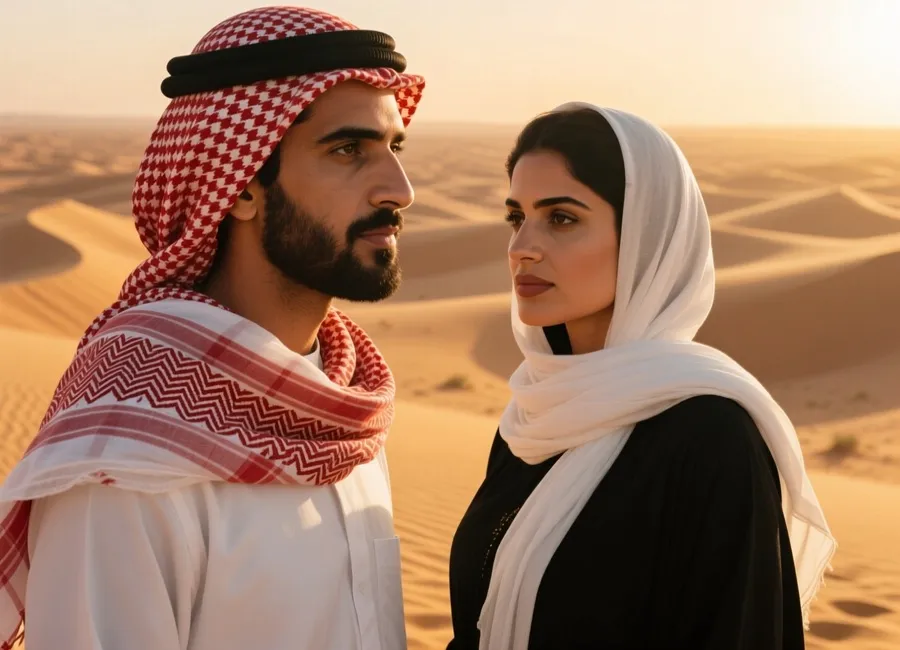
The shemagh kufiya is more than a piece of fabric. It carries deep cultural roots, pride, and history. It has been worn for centuries across the Middle East, North Africa, and beyond. What began as protection from the desert sun and sand has become a strong symbol of identity and resilience. It is now one of the most iconic pieces of clothing in the world.
Origins in the Desert
Life in the desert shaped the need for this cloth. People needed something light, breathable, and protective. A square cotton cloth was perfect for shielding the face from dust and the neck from the sun. Over time, it became part of daily life for farmers, travellers, and soldiers. Each region added its own meaning through patterns, colours, and the way it was tied. However, that doesn’t mean it is not popular across the world now. Many people wear it for many different purposes. It remains a popular protection against the sun and wind. From humble origins to international recognition.
The Meaning Behind the Cloth
The shemagh kufiya carries layers of meaning. It stands for unity, heritage, and pride. In Palestine, it has come to symbolise freedom and resistance. In Jordan and the Gulf, it represents tradition and dignity. Whether worn by elders or youth, it connects people to their history and culture. It has a very significant meaning in the cultures of the Arabs. In the modern era, it has become a great symbol of protests as well. This is the reason why it has spread across the world and become famous among various people. The shemagh is now a genuine object of resistance.
Design and Patterns
The design makes the shemagh kufiya easy to spot. It’s a square cloth with bold woven patterns, often black and white or red and white. The black and white version is linked to Palestine, while the red and white one is common in Jordan and other Arab countries. The shapes within the weave often carry meaning too, such as olive leaves, crops, or fishnets, representing life and livelihood. It is a very unique headgear where even the colours represent the origins. Also, you can find some of the patterns changing across various countries. But the main design remains the same for the most part. You will not find a lot of alteration in that.
How It’s Worn
Traditionally, men folded the cloth into a triangle and placed it over their head, using a black cord called an agal to hold it in place. This helped protect them from the wind, sand, and sun. Today, people wear it in many ways, wrapped around the neck, draped over the shoulders, or styled as a scarf. It blends function with fashion beautifully. This versatility means you can pair it with just about anything these days. The process is simple and incredible.
From Desert to Global Fashion
The shemagh kufiya has gone far beyond its origins. Soldiers and travellers once used it for practical reasons, and now it appears on fashion runways and in streetwear. For some, it’s a bold style choice. For others, it’s a link to their homeland and heritage. Even with its global reach, many believe it should always be worn with respect for its history. Many people have accused others of appropriating their history, but that is not the case. If worn with respect, it is always a great piece of clothing.
Modern Meaning and Relevance
In today’s world, the shemagh kufiya still carries pride and purpose. In Arab countries, it remains part of daily life and special events. Around the world, it’s worn by artists, travellers, and activists. It has taken on new meanings but always keeps its old spirit of unity and endurance. It has a lot of relevance in the world still. And it shows in the way people carry it.
Material and Craftsmanship
The shemagh kufiya is usually made from cotton or a cotton blend. This makes it breathable, soft, and long-lasting. Handmade versions, woven on traditional looms, are still valued for their quality. Good craftsmanship gives the cloth its strength and texture, allowing it to last for years. Handmade kufiyas are a little more expensive in this day and age. But you can still find them in plenty of garment shops.
Despite time and change, the shemagh kufiya still stands for strength, identity, and belonging. It links generations and reminds people where they come from. It’s a piece of living heritage, still meaningful in both daily life and global culture. People still revere it everywhere. They wear it with pride and respect. And it is a symbol of resistance all over the world.
Wearing the shemagh kufiya means wearing a story. It deserves understanding and respect. It has survived history, change, and travel. Yet its message stays the same. It is all about unity, pride, and resilience. Simple, strong, and timeless, the shemagh kufiya remains a symbol of culture and identity that continues to connect people across the world.





Leave a Reply