





If your vision is blurry and you’ve been told it’s due to astigmatism, you’re not alone. Many people have this issue. Can LASIK fix astigmatism is a ubiquitous question. The good news is that in many cases, it can. But let’s walk through it slowly so you know what you’re getting into.
What Is Astigmatism?
Astigmatism is when you’ve an uneven eye surface. Instead of having a smooth, round curve, it’s stretched out more on one side, like an oval or a rugby ball. This shape makes light bend the wrong way inside your eye, which leads to blurry or fuzzy vision.
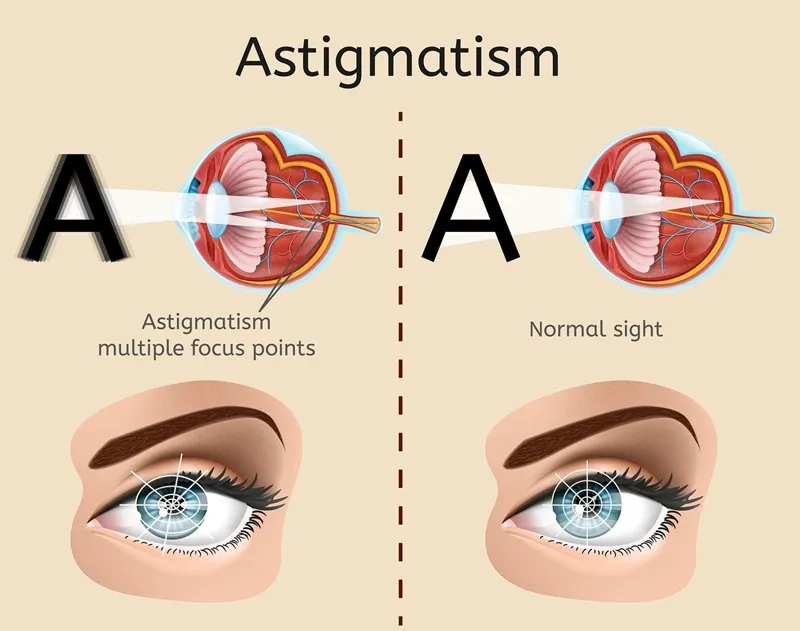
You might have trouble seeing clearly at night and or reading signs from far away. Or both. It affects a lot of people in the same way. But some people might have a different set of problems.
How LASIK Works
LASIK is a type of laser eye surgery. It reshapes the surface of your eye. Light entering the cornea lands nicely on the retina. That means clear vision. For people with astigmatism, this reshaping helps even out the uneven curve. It’s like smoothing out a bumpy surface.
Will It Work for Everyone?
No, not everyone is a good match. LASIK works best for people with mild to moderate astigmatism. If your cornea is too thin or you have other eye issues, the doctor might not suggest LASIK. They’ll do a full eye exam first to check.
Also, you need to be over 18, and your eye prescription should not have changed much in the past year.
How the Procedure Feels
Honestly, it’s quick. The whole thing takes about 15 minutes for both eyesYou stay awake during the procedure, but they apply special drops to numb your eyes so you won’t feel any pain. You might feel a little pressure, but it’s not scary. Most people are surprised by how fast it’s over.It works quickly and does the job well, making it one of the most effective treatments out there.
After LASIK: What to Expect
Your vision won’t be perfect right away. You’ll likely notice your vision improving gradually over the next few days as your eyes adjust and heal. Some people feel scratchy eyes or see halos around lights for a bit. That’s normal and usually goes away in a week or two.
Most people can go back to work in a couple of days. You’ll have to stick to a few aftercare steps like using prescribed eye drops regularly. No rubbing your eyes, no swimming for a while, and no heavy lifting. You need to let yourself heal for a few days. That will allow your eyes to settle down after the treatment.
Is It a Permanent Fix?
For many people, yes. The change to the cornea is permanent. But eyes can still change with age. Some people might need glasses again later in life for reading or other tasks. Still, most enjoy clear vision for many years after LASIK.
When done by skilled and experienced doctors, LASIK is considered a very safe procedure. Complications are rare. Millions of people have had it done and are happy with the results. Just make sure you go to a trusted clinic with experienced doctors.
Cost of LASIK
It’s not cheap. Getting LASIK can be pricey, usually ranging from $1,500 to $3,000 per eye. This cost depends on where you go, how experienced the surgeon is, and the type of technology used. But think of it like this, you might save money in the long run on glasses, contacts, and eye exams.
Some clinics offer payment plans to make it easier to afford.
How to Prepare for It
If you wear contact lenses, you’ll need to stop wearing them a few weeks before the exam. Contacts can change the shape of your eye and mess with the results. Follow all the prep steps your doctor gives you. They’re important. It may feel like a lot, but it will cure your astigmatism in the long run.
You’ll also need someone to drive you home after the surgery, since your vision may be hazy at first.
Natural Vision Fixes Don’t Work
We’ve all seen ads about “natural eye exercises” that claim to fix vision problems. They won’t fix astigmatism. Glasses, contacts, or LASIK are the only real fixes right now. Don’t waste your time or money on gimmicks.
Sometimes, LASIK may not work for you. There are other options like PRK (another type of laser surgery) or Toric lenses that can be implanted. Your eye doctor will walk you through what’s best for your eyes.
Final Thoughts
Astigmatism can be annoying, but it doesn’t have to ruin your vision. LASIK is a smart and proven way to fix it for many people. However, you need to consult your doctor, understand the risks, and know if you’re a good candidate.
If you’ve been putting off that appointment, maybe now’s the time to check your options. It could be the start of seeing things more clearly, literally.






Leave a Reply