
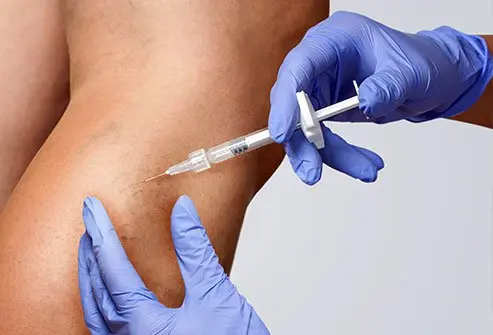



Sclerotherapy is a minimally invasive medical procedure used to treat certain problematic veins, particularly spider veins, reticular veins, and selected small varicose veins. It involves injecting a specialised solution, known as a sclerosant, into the affected vein. This solution irritates the inner lining of the vein, causing it to close gradually so that blood can flow through healthier nearby veins.
Sclerotherapy treatment is commonly considered for patients who experience visible veins, mild discomfort, or cosmetic concerns related to superficial vein conditions. However, it is not suitable for every type of varicose vein or venous disorder. A proper examination helps determine whether this procedure is appropriate.
What Is Sclerotherapy?
Sclerotherapy is a medical procedure in which a doctor injects a sclerosant solution directly into a targeted vein using a fine needle.
The solution damages the inner lining of the treated vein in a controlled manner. The vein gradually closes, and the body eventually absorbs the treated vessel. Blood is redirected through other healthy veins.
The procedure is generally performed without major surgery and often does not require general anaesthesia. Depending on the number, size, and location of the veins, treatment may involve one or multiple sessions.
Which Vein Conditions Can Sclerotherapy Treat?
Sclerotherapy is primarily used for selected superficial veins. The following are some common conditions for which doctors may consider this procedure.
1. Spider Veins
Spider veins are small, visible blood vessels that appear close to the skin’s surface. They may look like thin red, purple, or blue lines and commonly develop on the legs.
Although spider veins are usually harmless, some people seek treatment because of their appearance or associated discomfort.
Sclerotherapy can help close suitable spider veins, making them less visible over time. Multiple sessions may be required depending on their number and distribution.
2. Reticular Veins
Reticular veins are slightly larger than spider veins and usually appear as blue or greenish vessels beneath the skin. They commonly develop on the legs and may sometimes feed smaller spider veins.
Doctors may recommend sclerotherapy to treat suitable reticular veins. Addressing these underlying feeding veins may also help improve the results of treatment for associated spider veins.
3. Selected Small Varicose Veins
Varicose veins are enlarged, twisted veins that develop when the valves inside veins do not function properly. They can cause aching, heaviness, swelling, itching, and visible changes in the legs.
Sclerotherapy may be suitable for certain smaller varicose veins. However, larger veins associated with significant underlying venous reflux may require other treatments, such as endovenous laser treatment or radiofrequency ablation.
A duplex ultrasound examination can help identify the underlying problem and guide treatment selection.
4. Recurrent Veins After Previous Treatment
Some patients develop recurrent or residual superficial veins after undergoing previous varicose vein treatment.
Depending on their size, location, and underlying cause, sclerotherapy may be considered to treat selected remaining veins.
The doctor should first evaluate whether the recurrence is related to untreated venous reflux or another vascular problem.
How Does Sclerotherapy Treatment Work?
The procedure generally involves a few straightforward steps.
Step 1: Medical Evaluation
The doctor examines the affected veins, reviews the patient’s medical history, and checks for symptoms that may indicate an underlying venous condition. Ultrasound may be recommended when clinically necessary.
Step 2: Preparation
The treatment area is cleaned, and the patient is positioned comfortably. The doctor identifies the veins that need treatment.
Step 3: Injection
A fine needle is used to inject the sclerosant solution into the targeted vein. The number of injections depends on the size and number of affected vessels.
Step 4: Compression and Aftercare
Compression stockings or bandages may be recommended after the procedure, depending on the condition and treatment technique. Patients may also be advised to walk and follow specific activity instructions.
The procedure may take approximately 15 to 45 minutes, although the duration varies according to the treatment area and number of veins.
Types of Sclerotherapy
Different techniques may be used depending on the size and characteristics of the affected veins.
Liquid Sclerotherapy
In this method, the sclerosant is injected in liquid form. It is commonly used for smaller superficial veins, including spider veins and selected reticular veins.
Foam Sclerotherapy
Foam sclerotherapy involves mixing the sclerosant with gas to create a foam-like substance before injection.
The foam can displace blood within the targeted vein and increase contact between the sclerosant and the vein wall. It may be used for selected larger superficial veins under appropriate medical guidance, often with ultrasound assistance.
The choice between liquid and foam sclerotherapy depends on the patient’s condition and the doctor’s assessment.
What Are the Benefits of Sclerotherapy?
For appropriately selected patients, sclerotherapy offers several potential advantages.
-
Minimally invasive: The procedure uses injections rather than major surgical incisions.
-
Usually outpatient: Many patients can return home shortly after treatment.
-
Targeted treatment: Specific superficial veins can be treated.
-
No general anaesthesia in many cases: The procedure is commonly performed without general anaesthesia.
-
Gradual improvement: Treated veins may become less visible as the body absorbs them.
Results are not always immediate. It may take several weeks or longer for treated veins to fade, and additional sessions may be needed.
Possible Side Effects and Risks
Sclerotherapy is generally well tolerated when performed by an appropriately trained medical professional. However, like other medical procedures, it has potential side effects and risks.
Common temporary effects include:
-
Mild pain or burning at the injection site.
-
Bruising and swelling.
-
Redness or itching.
-
Small areas of skin discolouration.
-
Temporary firmness along the treated vein.
Less common complications can include inflammation, small blood clots in treated superficial veins, skin injury, or allergic reactions.
Rare but serious complications may include deep vein thrombosis, pulmonary embolism, or neurological symptoms, particularly with certain foam techniques.
Patients should seek medical attention if they develop significant swelling, severe pain, chest pain, sudden breathlessness, or other unusual symptoms after treatment.
Who May Not Be Suitable for Sclerotherapy?
Sclerotherapy is not appropriate for everyone. A doctor may recommend postponing or avoiding the procedure in certain situations.
These may include:
-
Pregnancy.
-
Certain active blood clotting conditions.
-
Previous serious allergic reactions to a proposed sclerosant.
-
Active infection in the treatment area.
-
Some medical conditions that increase the risk of complications.
Patients with a history of DVT, significant circulation problems, or other vascular conditions need individual assessment before treatment.
What Should Patients Expect After Sclerotherapy?
Recovery is generally straightforward, but patients should follow the doctor’s instructions carefully.
Walking is often encouraged after treatment because gentle movement supports circulation. However, strenuous exercise and certain activities may need to be restricted temporarily.
Other aftercare recommendations may include:
Follow compression instructions: Wear compression stockings for the recommended duration if prescribed.
Avoid prolonged inactivity: Take regular walking breaks rather than sitting or standing continuously.
Protect treated areas: Follow medical advice regarding sun exposure and skin care, especially if pigmentation develops.
Attend follow-up appointments: The doctor may assess the treated veins and determine whether additional sessions are necessary.
Patients should not massage treated areas unless specifically instructed by their doctor.
When Should You Consult a Vein Specialist?
Consider consulting a qualified vein specialist if you notice persistent visible veins, leg heaviness, swelling, aching, or other symptoms associated with venous conditions.
A specialist can examine the affected veins and determine whether sclerotherapy, another minimally invasive procedure, or conservative management is more appropriate.
Dr Sumit Kapadia can be considered for vascular evaluation and guidance based on individual symptoms and clinical findings.
Conclusion
Sclerotherapy is a minimally invasive option for treating spider veins, reticular veins, and selected small varicose veins. It works by closing targeted veins, allowing the body to gradually absorb them.
However, the procedure is not suitable for every venous condition. Understanding the underlying cause of visible veins and choosing the right treatment are essential for safe and effective management.
Patients considering sclerotherapy treatment should undergo a proper medical evaluation before proceeding. A qualified vascular specialist can explain the available options, expected results, possible risks, and necessary aftercare.
Frequently Asked Questions
1. Is sclerotherapy a surgical procedure?
No. Sclerotherapy is a minimally invasive injection-based procedure. It generally does not require surgical incisions or general anaesthesia.
2. How many sclerotherapy sessions are required?
The number of sessions depends on the size, number, and distribution of the affected veins. Some patients may need only one session, while others require multiple treatments.
3. How long does it take to see results after sclerotherapy?
Treated veins gradually become less visible over several weeks. Larger veins may take longer to respond, and complete improvement is not guaranteed.
4. Can sclerotherapy treat large varicose veins?
Sclerotherapy may be used for selected larger superficial veins, particularly with foam techniques. However, significant truncal venous reflux may require treatments such as laser ablation or radiofrequency ablation.
5. Is sclerotherapy treatment permanent?
Treated veins generally remain closed, but new veins can develop over time. Some patients may require additional treatment or follow-up.
6. Can everyone undergo sclerotherapy?
No. Suitability depends on medical history, pregnancy status, clotting risks, allergies, and the type of vein condition. A specialist should assess each patient before treatment.





Leave a Reply