
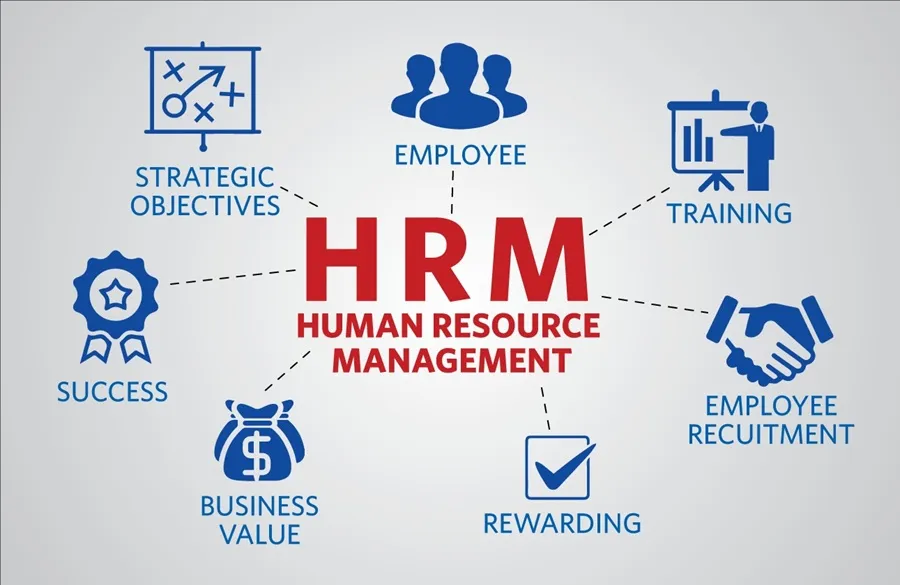



Managing people effectively is an important part of running a successful organization. HR teams handle employee information, skills, recruitment, workforce planning, development, internal mobility, and many other processes. As organizations grow, managing these activities manually can become increasingly difficult.
Human resource management software provides a centralized way to organize workforce information and support HR processes. Modern platforms can go beyond administrative tasks by helping organizations understand employee skills, identify workforce gaps, and connect people strategy with business requirements.
Quick Answer
Human resource management software helps organizations manage employee information, HR processes, workforce data, skills, and talent requirements through a centralized platform. It can reduce manual work, improve workforce visibility, support internal mobility, and help HR teams make more informed talent decisions. Profinda takes a skills-focused approach to workforce management and helps organizations understand their workforce capabilities.
What Is Human Resource Management Software?
Human resource management software is technology designed to help organizations manage employee-related processes and workforce information.
Traditional HR operations can involve spreadsheets, documents, emails, and multiple disconnected systems. As the workforce grows, maintaining accurate information across these systems can become time-consuming.
A centralized HR platform can bring employee and workforce information together, making it easier for authorized users to access and manage relevant data.
Why Do Organizations Use HR Management Software?
HR departments manage a wide range of responsibilities throughout the employee lifecycle. These can include recruitment, onboarding, employee records, performance management, workforce planning, learning, and internal mobility.
HR software can automate or streamline many repetitive activities while providing better visibility into workforce information.
It can also support strategic HR decisions by helping organizations understand the skills and capabilities they already have and determine what may be needed in the future.
Key Features of Human Resource Management Software
Employee Data Management
A centralized platform can store important employee information such as roles, departments, locations, skills, and other workforce attributes.
This can reduce reliance on separate spreadsheets and make employee information easier to manage.
Recruitment Management
Some HR platforms include recruitment capabilities that help organizations manage job openings, candidates, interviews, and hiring workflows.
Connecting recruitment information with workforce planning can help businesses align hiring decisions with future workforce requirements.
Skills Management
Modern organizations increasingly need visibility into employee skills.
Skills management can help HR teams understand existing capabilities and identify potential gaps that may affect future business plans.
Performance Management
HR software may include tools for setting goals, managing reviews, recording feedback, and supporting employee development.
Performance information can contribute to a broader understanding of workforce capabilities and development needs.
Learning and Development
Organizations can use workforce information to identify areas where employees may benefit from training or reskilling.
A skills-focused approach can help make development programs more closely aligned with actual business requirements.
Workforce Analytics
Workforce analytics can help HR teams examine employee and organizational trends.
Depending on the platform, this may include information related to headcount, skills, workforce composition, turnover, capacity, and other workforce metrics.
Benefits of Human Resource Management Software
Reduces Manual Work
Automating repetitive HR activities can reduce administrative effort and minimize the need for manual data entry.
This gives HR professionals more time to focus on strategic workforce and employee initiatives.
Improves Workforce Visibility
A centralized system can give HR teams and managers a clearer view of employees, roles, skills, and organizational structures.
Better visibility can support more informed workforce decisions.
Supports Internal Mobility
Organizations may already have employees with skills suitable for new roles or projects.
Skills visibility can make it easier to identify internal talent and consider mobility opportunities before immediately recruiting externally.
Supports Better Talent Decisions
Accurate workforce information can help organizations make more informed decisions about recruitment, employee development, resource allocation, and workforce planning.
Connects HR With Business Strategy
Modern HR management increasingly involves connecting people decisions with business objectives.
Understanding workforce capabilities can help HR teams support organizational growth, transformation, and changing skill requirements.
How Profinda Supports Modern HR Management
Profinda helps organizations take a skills-focused approach to understanding their workforce.
Rather than looking only at job titles and organizational structures, Profinda can help businesses gain greater visibility into employee skills and capabilities.
This can support workforce planning, internal mobility, resource allocation, skills development, and identification of potential capability gaps.
Human Resource Management Software vs. Workforce Management Software
These terms can overlap, but they generally focus on different areas.
Human resource management software often covers employee records, recruitment, performance, learning, and other HR processes.
Workforce management software can focus more heavily on operational workforce requirements such as scheduling, availability, capacity, workload, and resource allocation.
Organizations may use both types of systems depending on their requirements.
HR Management Software and Workforce Planning
Human resource management software can provide important information about the current workforce, while workforce planning focuses on future requirements.
For example, HR data may show that an organization has a certain number of employees with specific skills. Workforce planning can then use this information to determine whether those capabilities will be sufficient for future business objectives.
This connection can help organizations identify whether they need to recruit, reskill, redeploy, or develop employees.
Why Skills-Based HR Management Matters
Employee job titles do not always tell the full story about what people can do.
An employee may have technical, industry, or leadership skills that are not reflected in their current position. These capabilities may become valuable elsewhere in the organization.
Skills-based HR management provides greater visibility into these capabilities and can support more flexible talent decisions.
How to Choose Human Resource Management Software
Organizations should evaluate HR software based on their workforce size, processes, technology environment, and long-term goals.
Important areas to consider include employee data management, skills management, recruitment, performance management, reporting, workforce planning, integrations, security, scalability, and ease of use.
Organizations should also consider whether the platform can integrate with existing HR, ERP, payroll, workforce planning, and project management systems.
Common Challenges With HR Management Software
Implementing HR software can involve challenges such as data migration, system integration, employee adoption, process changes, and maintaining accurate workforce information.
The value of the platform depends heavily on the quality of the data being managed. Organizations should establish clear processes for updating employee information, skills, roles, and other workforce attributes.
Training and change management can also help employees and managers use the system effectively.
Final Thoughts
Human resource management software helps organizations centralize employee information, streamline HR processes, improve workforce visibility, and support better talent decisions.
Modern HR management goes beyond maintaining employee records. Organizations increasingly need to understand the skills and capabilities within their workforce and connect those capabilities with future business requirements.
With its skills-focused approach, Profinda can help organizations gain deeper visibility into workforce capabilities and support workforce planning, internal mobility, resource allocation, and talent development.




Leave a Reply