





The global energy sector is rapidly evolving as businesses adopt advanced technologies to improve efficiency, reduce costs, and meet growing customer demands. Today, energy and utilities solutions are playing a major role in accelerating digital transformation across power generation, distribution, and utility management systems. Companies are investing in smart technologies to modernize operations, improve sustainability, and create better customer experiences.
At TechBlocks, organizations are leveraging digital innovation to transform traditional utility infrastructure into intelligent and data-driven systems.
The Growing Importance of Digital Transformation in Utilities
Energy providers and utility companies face several challenges, including rising operational costs, aging infrastructure, increasing energy demand, and stricter environmental regulations. To overcome these issues, many organizations are adopting digital tools and automation.
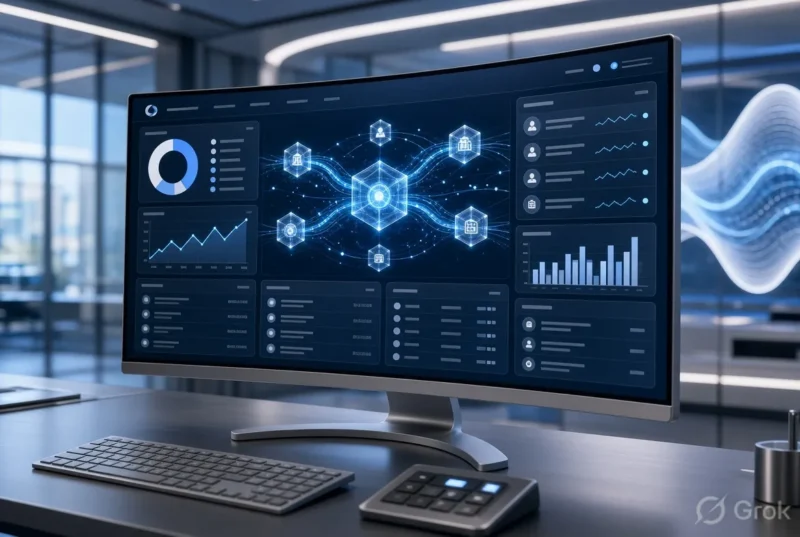
Modern energy and utilities solutions help companies streamline operations, monitor energy usage in real time, and improve overall system reliability. Technologies such as artificial intelligence, cloud computing, IoT devices, and predictive analytics are enabling utilities to make smarter decisions and reduce downtime.
Digital transformation is no longer optional. It has become essential for maintaining competitiveness and delivering reliable services to consumers.
Smart Grids Are Revolutionizing Energy Management
One of the biggest advancements in the industry is the development of smart grids. These intelligent systems use sensors, automation, and real-time monitoring to optimize electricity distribution.
With advanced energy and utilities solutions, utility companies can quickly detect outages, manage energy loads efficiently, and improve grid stability. Smart grids also support renewable energy integration by balancing supply and demand more effectively.
Consumers benefit as well because smart meters provide accurate energy consumption data, helping households and businesses reduce unnecessary power usage.
Automation Improves Operational Efficiency
Automation is transforming how utility companies manage their daily operations. Manual processes are being replaced with intelligent software systems that improve accuracy and productivity.
By implementing energy and utilities solutions, organizations can automate billing, maintenance scheduling, outage management, and customer support. Automated systems reduce human error and help businesses respond faster to operational issues.
For example, predictive maintenance tools can identify equipment problems before failures occur. This minimizes downtime, reduces repair costs, and extends the lifespan of critical infrastructure.
Data Analytics Enables Smarter Decisions
Data has become one of the most valuable assets in the utility sector. Advanced analytics tools help organizations process large amounts of operational data and turn it into actionable insights.
Modern energy and utilities solutions use real-time analytics to monitor energy consumption patterns, forecast demand, and optimize resource allocation. This allows utility providers to improve energy efficiency while lowering operational expenses.
At TechBlocks, businesses are increasingly adopting data-driven strategies to enhance performance and improve customer satisfaction.
Sustainability and Renewable Energy Integration
Sustainability is a key focus for the energy industry. Governments and consumers are demanding cleaner and more environmentally friendly energy solutions.
Digital technologies make it easier for utility companies to integrate renewable energy sources such as solar and wind into existing grids. Intelligent energy and utilities solutions help manage fluctuating energy supply while maintaining system reliability.
These solutions also support carbon reduction initiatives by improving energy efficiency and reducing waste across operations.
Conclusion
The future of the energy sector depends heavily on innovation and digital transformation. From smart grids and automation to predictive analytics and renewable energy management, energy and utilities solutions are helping organizations modernize their operations and stay competitive in a rapidly changing market.
With the support of TechBlocks, companies can adopt advanced technologies that improve efficiency, strengthen infrastructure, and deliver better customer experiences. As digital transformation continues to evolve, utility providers that embrace innovation will be better positioned for long-term growth and sustainability.
FAQs
1. What are energy and utilities solutions?
Energy and utilities solutions are digital technologies and software systems designed to improve energy management, utility operations, automation, and customer service.
2. How do smart grids improve utility services?
Smart grids use real-time monitoring and automation to improve electricity distribution, reduce outages, and enhance energy efficiency.
3. Why is digital transformation important in the utility sector?
Digital transformation helps utility companies reduce operational costs, improve efficiency, increase reliability, and support renewable energy integration.
4. How does automation benefit utility companies?
Automation improves productivity, reduces manual errors, enhances maintenance processes, and enables faster response times during outages.
5. How are energy and utilities solutions supporting sustainability?
These solutions help integrate renewable energy sources, reduce energy waste, improve efficiency, and support environmental goals.




Leave a Reply