




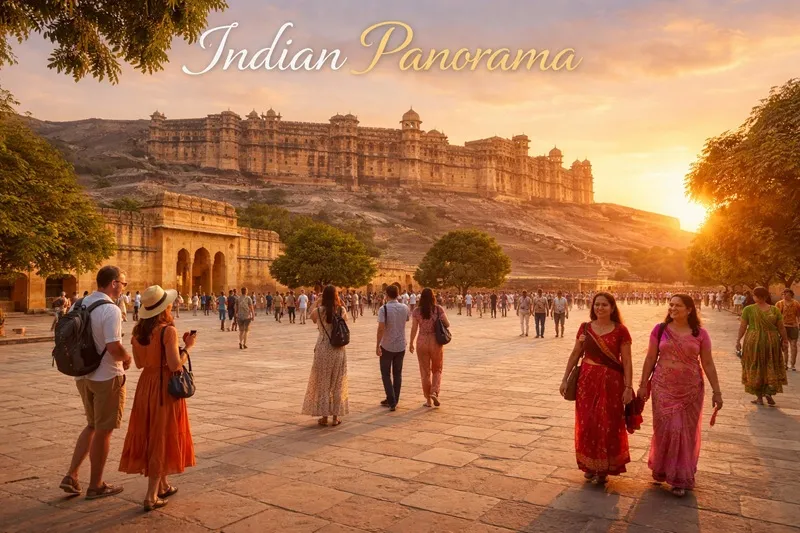
Planning a trip to India can feel exciting and overwhelming at the same time. The country is massive, culturally rich, and wildly diverse. From Himalayan mountains to tropical beaches, royal palaces to buzzing cities—India has it all.
The biggest question most travelers ask is simple: How much will it cost?
The good news? Indian tour packages exist for nearly every budget. Whether you’re a backpacker, a couple planning a romantic escape, or someone looking for a luxury experience, there’s a tour to India that fits your comfort level and travel style.
This guide breaks down Indian tour packages by budget, starting around ₹15,000 and going all the way to premium luxury trips. If you’re a U.S.-based traveler researching your first or next trip to India, this will help you make smart, realistic choices.
Understanding Travel Costs in India (Quick Reality Check)
India is one of the most affordable long-haul destinations in the world once you arrive. Daily expenses like food, local transport, and accommodations are far lower than in the U.S.
However, prices vary based on:
-
Travel season (October–March is peak)
-
Destination (Goa vs. Rajasthan vs. Northeast)
-
Comfort level (budget hotels vs. heritage stays)
-
Whether flights are included
Most tour packages India offers are customizable, which makes budgeting flexible.
Budget Indian Tour Packages (₹15,000–₹30,000)
These are ideal for travelers who want to see India without spending much, especially backpackers, students, or solo explorers.
What You Get
-
2–4 day trips
-
Budget hotels or guesthouses
-
Local sightseeing
-
Bus or train transportation
-
Shared tour groups
Popular Budget Destinations
-
Jaipur & Agra (Golden Triangle basics)
-
Rishikesh & Haridwar
-
Varanasi
-
McLeod Ganj
-
Goa (off-season)
These packages focus more on experience than comfort, but they’re safe, authentic, and great for travelers who enjoy exploring on foot and eating local food.
For Americans traveling to India for the first time, this budget works well after landing in India, not including international flights.
Mid-Range Tour Packages India (₹30,000–₹70,000)
This is the sweet spot for many travelers. You get comfort without luxury pricing.
What You Get
-
5–8 day itineraries
-
3-star or good 4-star hotels
-
Air-conditioned transport
-
Guided sightseeing
-
Some meals included
Best Experiences in This Range
-
Golden Triangle (Delhi–Agra–Jaipur)
-
Kerala backwaters
-
Goa beach stays
-
Rajasthan cultural tours
-
South India temple circuits
Many india tour packages for couple fall into this range. It’s perfect for honeymoons, anniversary trips, or relaxed sightseeing without rushing.
For a first-time trip to India, most U.S. travelers feel comfortable starting here.
Premium Comfort Packages (₹70,000–₹1,50,000)
If you want a smooth, stress-free trip with better hotels and private transport, this category makes a lot of sense.
What You Get
-
7–12 day trips
-
4-star and boutique hotels
-
Domestic flights included
-
Private drivers and guides
-
Curated cultural experiences
Popular Premium Routes
-
Kerala luxury houseboats
-
Rajasthan heritage stays
-
Andaman Islands beach escapes
-
Ladakh road trips
-
Northeast India exploration
These packages allow you to slow down, explore deeper, and travel comfortably—especially helpful when navigating India’s busy cities.
Luxury Indian Tour Packages (₹1,50,000 and Above)
Luxury travel in India is world-class. Think palace hotels, private safaris, and personalized experiences.
What You Get
-
5-star hotels and heritage palaces
-
Business-class domestic flights
-
Chauffeur-driven vehicles
-
Private guides
-
Fine dining experiences
-
Customized itineraries
Luxury Highlights
-
Stay in former royal palaces
-
Tiger safaris in Ranthambore
-
Ganges river cruises
-
Wellness retreats in the Himalayas
-
Private desert experiences in Rajasthan
For Americans who want comfort similar to high-end European travel—but at better value—luxury Indian tour packages are surprisingly affordable for what they offer.
Choosing the Right Package for Your Travel Style
Before booking any trip to India, ask yourself a few honest questions:
-
Do you prefer structure or flexibility?
-
Are you okay with long drives?
-
Do you want guided tours or free time?
-
Are food and hotel quality a priority?
Couples often prefer private or semi-luxury tours, while solo travelers enjoy group-based packages. Families usually benefit from mid-range tours with slower pacing.
There’s no single “best” package—only what fits your travel comfort.
When Is the Best Time to Travel to India?
Timing matters more than most people expect.
-
October to March: Best weather, higher prices
-
April to June: Hot but cheaper
-
July to September: Monsoon season, lush landscapes, fewer tourists
If budget is a concern, shoulder seasons can offer excellent value with fewer crowds.
Practical Tips for Americans Planning a Trip to India
-
Get travel insurance (medical coverage is essential)
-
Apply for an e-visa in advance
-
Start slow—don’t pack too many cities into one trip
-
Use local SIM cards or international roaming
-
Respect cultural norms, especially in temples
India rewards travelers who come prepared but stay flexible.
FAQs
Is India safe for U.S. tourists?
Yes, especially when traveling with reputable tour operators. Like anywhere, awareness and planning matter.
How long should my first trip to India be?
7–10 days is ideal. It gives you time to experience the culture without feeling rushed.
Are flights included in Indian tour packages?
International flights are usually not included. Domestic flights often are in mid-range and luxury packages.
Do I need a guide when traveling in India?
Guides aren’t mandatory, but they add huge value, especially for history, culture, and logistics.
Final Thoughts
India isn’t a one-size-fits-all destination—and that’s what makes it special. Whether your budget is ₹15,000 or ₹5,00,000, there’s a trip to India that can be meaningful, comfortable, and unforgettable.
The key is choosing a package that matches how you like to travel, not just how much you want to spend.
Plan thoughtfully, stay curious, and let India surprise you.




Leave a Reply