



Let’s be real for a second: remodeling your home is exciting, but the material selection process? That’s usually where the headache starts. You want that high-end, architectural digest look, but you probably don’t want to blow your entire budget on solid hardwood or marble.
If you haven’t heard the term, don’t worry. In the US, we often call it High-Pressure Laminate (HPL) or decorative laminate. “Sunmaika” (often spelled Sunmica) is essentially the “Kleenex” of the laminate world in many overseas markets—a brand name that became the generic term for the product itself.
Whether you’re flipping a house in the suburbs or upgrading your condo downtown, Sunmaika is the unsung hero of durable, stylish, and affordable interiors. This guide will break down exactly why you need it, what it costs, and how to style it.
Quick Snapshot: Why Choose Sunmaika?
Before we dive deep, here is the cheat sheet on why homeowners and designers love this stuff:
-
Durability: Resistant to scratches, stains, and heat.
-
Variety: Available in thousands of textures (wood, stone, fabric, gloss).
-
Cost-Effective: Significantly cheaper than solid wood or stone veneers.
-
Maintenance: A wet cloth is usually all you need.
What Exactly is Sunmaika?
Strip away the fancy branding, and Sunmaika is a decorative laminate sheet. It’s made by pressing together layers of heavy kraft paper with resin at incredibly high temperatures. The top layer is a decorative finish—that’s where you get your wood grain, marble look, or solid color.
Think of it as a protective, stylish skin for your furniture. You glue it over plywood or MDF (Medium Density Fiberboard) to create cabinets, tabletops, and wall panels that look expensive but act like armor.
Top Sunmaika Designs Trending in 2026
Styles change fast. Ten years ago, everyone wanted high-gloss cherry wood. Today? Not so much. Here is what is actually moving the needle in modern US interiors.
1. The “Invisible” Matte Finish
Gloss is out; matte is in. We are seeing a huge surge in “anti-fingerprint” matte laminates. They feel soft to the touch (almost like velvet) and soak up light rather than reflecting it.
-
Best for: Kitchen cabinets and office desks.
-
Why it works: It hides smudges and looks incredibly sophisticated.
2. Textured Wood Grains
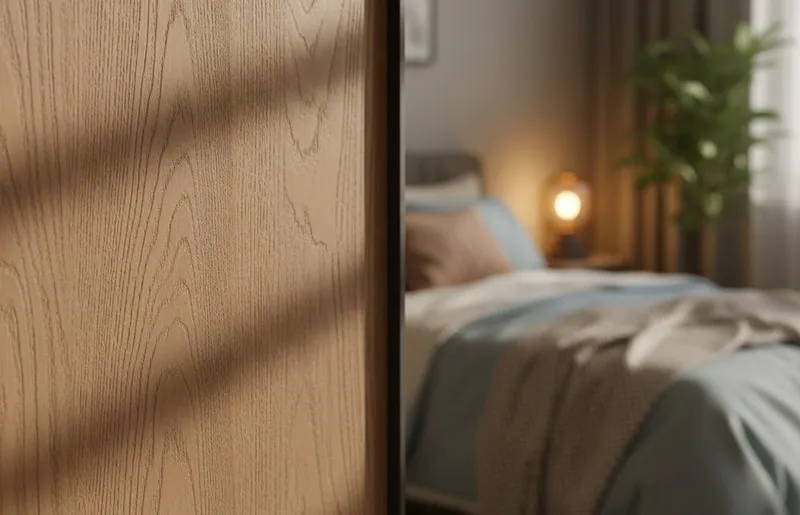
We aren’t talking about those fake-looking plastic wood prints from the 90s. Modern Sunmaika designs feature “synchronous pores.” This means the physical texture matches the visual grain. If you see a knot in the wood design, you can actually feel it.
-
Best for: Wardrobes, bedroom furniture, and feature walls.
3. Stone & Marble Replicas
Love the look of Carrara marble but hate the idea of staining it with a spill of red wine? Stone-finish laminates give you the exact visual of granite or marble without the porosity.
-
Best for: Coffee tabletops and bathroom vanities.
Price Guide: What Does It Cost?
Pricing is always the elephant in the room. While Sunmaika is budget-friendly, “budget” can mean different things to different people.
In the US market, laminate sheets generally come in standard 4ft x 8ft sizes. Here is a rough breakdown of what you can expect to pay for the material (installation labor excluded):
| Laminate Type | Estimated Price Per Sheet (USD) | Best Application |
| Standard Solids | $30 – $50 | Pantry shelves, cabinet interiors |
| Textured/Wood Grain | $50 – $90 | Wardrobes, entertainment units |
| High-Gloss/Acrylic | $80 – $150 | Modern kitchen exteriors |
| Specialty (Anti-scratch/Metal) | $120+ | High-traffic areas, luxury accents |
Note: Prices vary based on thickness (0.8mm to 1.0mm is standard) and brand quality.
Is it cheaper than paint?
Actually, yes and no. Painting is cheaper upfront, but high-quality laminate lasts years longer without chipping or peeling. Over a 10-year period, Sunmaika is often the better investment.
Where Can You Use Sunmaika? (Beyond the Kitchen)
Most people stop at kitchen cabinets, but that’s a waste of potential.
1. The Bedroom Wardrobe
This is the most popular use case. Using a light-colored, fabric-textured laminate on your closet doors can make a small bedroom feel massive and airy.
2. Wall Paneling
Skip the drywall texture or expensive wallpaper. You can use Sunmaika sheets to create a floor-to-ceiling accent wall behind your TV or bed. It adds sound insulation and serious visual drama.
3. False Ceilings
Yes, you read that right. Designers are now using wood-grain laminates on ceiling rafts to add warmth to spaces that feel too clinical or cold.
How to Pick the Right Sheet (A Checklist)
Don’t just point at a pretty color and buy it. Run through this checklist first:
-
Thickness Matters: Ensure you are buying sheets that are at least 0.8mm to 1.0mm thick. Anything thinner (like 0.6mm) is known as “liner” grade and should only be used for the insides of cabinets, not the visible outsides.
-
Scratch Resistance: If you have kids or pets, ask for “high abrasion resistant” laminates.
-
The Light Test: Take a sample of the laminate and look at it under the lighting conditions of your home, not the bright showroom lights.
Conclusion
Sunmaika (or decorative laminate) bridges the gap between “I want it to look good” and “I need it to last forever.” It allows you to mimic the world’s most expensive materials—marble, oak, leather—at a price point that leaves room in the budget for the rest of your renovation.
Ready to start browsing? Don’t settle for boring big-box store options. Explore the premium range of textures and finishes at Advance Laminates and find the perfect skin for your next project.






Leave a Reply