




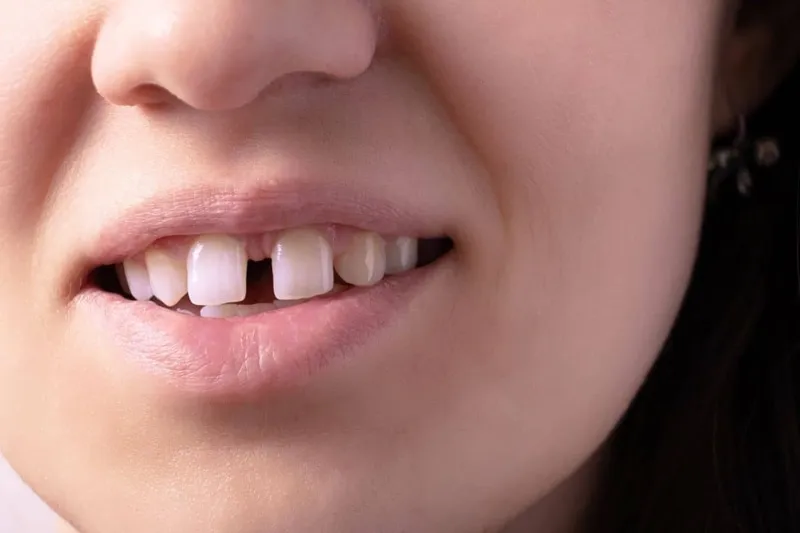
Many people notice a gap between their teeth and wonder if it can be fixed. Teeth gaps can appear for various reasons, and not all gaps are the same. Some are tiny spaces that are hardly noticeable, while others are wider and can affect your smile or even your speech. A gap can make people self-conscious, but it’s important to know that it is very common. If you are looking for ways to fix teeth gap, understanding why it happens is the first step.
Why Gaps Form in Teeth
Gaps in teeth often come from genetics. Some people are born with naturally spaced teeth. However, there can be noticeable gaps because of missing teeth. Childhood habits, such as thumb sucking or prolonged pacifier use, can cause teeth to become misaligned. In adults, gum disease or bone loss can worsen gaps over time. Even natural changes as we age can make teeth shift, opening spaces that weren’t there before. Knowing the cause helps decide which solution will work best.
Simple At-Home Methods
For smaller gaps, some simple home methods may help. Keeping teeth clean and healthy prevents gum issues that can increase gaps. Gentle exercises that encourage teeth to move slightly closer are sometimes recommended, though results are limited. Some people try orthodontic rubber bands at home, but this should be done carefully and preferably with dental guidance. These methods work best for minor gaps and won’t replace professional treatments for bigger spaces.
Professional Dental Treatments
For most people with visible gaps, dental treatments work best. Braces are a tried-and-true option. They slowly move teeth together and are ideal for multiple gaps or large spaces. Clear aligners are an alternative that is nearly invisible and can be removed while eating or brushing. They work gradually but are very effective. Veneers are another option. These are porcelain shells that are thin and sit easily on the teeth. Dental bonding uses tooth-colored resin to fill the space quickly and can dramatically improve your smile in just one visit.
Why Acting Early Helps
Closing gaps early can stop bigger dental issues down the line. You don’t want to wait for serious issues. Large gaps can affect chewing or speech. It may cause teeth to shift unevenly over time. Frequent dental visits help you keep track of changes in your teeth. And decide on the best treatment plan. Early intervention usually means simpler, faster, and often cheaper treatment. You need to investigate your problems early and find the best treatment plan for yourself.
Keeping Your Smile Perfect
After closing a gap, maintaining results is key. Brushing and flossing two times daily keep your teeth and gums strong. Retainers after braces or aligners ensure teeth don’t shift back. Stay away from habits like biting nails or chewing hard things, as they can make gaps worse. Regular dental visits help keep your smile in shape for years. Some very small habits can help your teeth if you want a good dental record. The only steps to this are flossing and regular brushing.
Choosing the Right Option
Choosing the right way to close a gap depends on how big it is, the position of your teeth, your budget, and what feels best for you. Small gaps may improve with minor home care, but larger spaces usually need professional treatment. A dentist can guide you on whether braces, aligners, veneers, or bonding suits you best. You must make this choice very carefully. It is going to be a once-in-a-lifetime chance. Everyone’s teeth are unique, so personalised advice always works better than one-size-fits-all solutions.
Benefits Beyond Appearance
Fixing a tooth gap improves more than your smile. You can call it a long-term investment. It helps prevent uneven wear on teeth, reduces the chance of gum issues, and makes oral hygiene easier. Proper alignment supports better chewing and digestion. Overall, closing gaps contributes to long-term dental health and boosts confidence in everyday life. You cannot afford to overlook it.
Confidence and Oral Health
Closing a tooth gap is not just about looks. A properly aligned set of teeth makes eating and speaking easier, reduces the risk of oral problems, and helps maintain overall jaw health. Feeling confident about your smile can positively impact your social interactions, work life, and even self-esteem. Simple daily care combined with professional treatment can give long-lasting results and keep your teeth strong, healthy, and properly aligned for years to come.
Conclusion
Fixing a tooth gap is achievable for anyone. Small spaces may improve naturally with care, while larger gaps respond well to dental treatments like braces, aligners, veneers, or bonding. Early action and consistent maintenance ensure your smile stays perfect for years. With the right steps, you can enjoy a confident, healthy, and gap-free smile.






Leave a Reply