



Introduction
Discussions around the apple share price often revolve around product launches, quarterly iPhone sales, or short-term market sentiment. Long-term investors look elsewhere. They focus on Apple’s ecosystem and how it quietly compounds value over time. Apple isn’t just selling devices. It’s built an interconnected system of hardware, software, and services that increases customer loyalty, stabilizes revenue, and supports durable cash flow. Understanding this ecosystem explains why Apple remains one of the most resilient businesses in the world.
The Power of an Integrated Product Experience
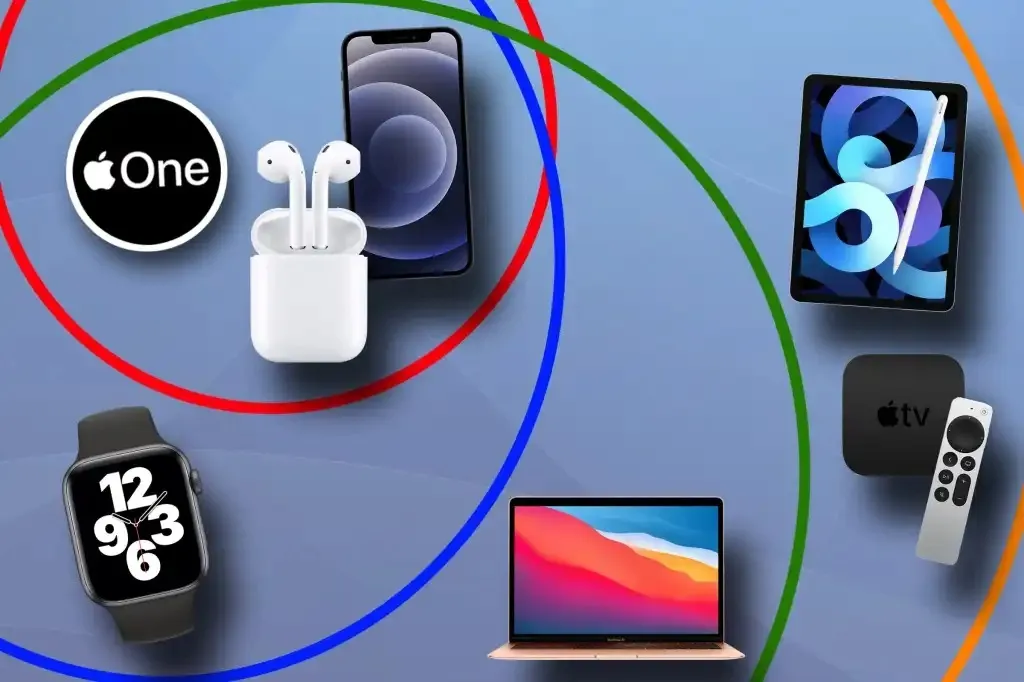
Apple’s ecosystem starts with integration. Devices like the iPhone, Mac, iPad, Watch, and AirPods are designed to work better together than they do individually. Features such as seamless syncing, shared services, and cross-device continuity make switching away inconvenient rather than impossible.
For long-term investors, this matters because friction reduces churn. Customers who own multiple Apple devices are far less likely to leave the platform. That loyalty translates into predictable demand and pricing power, both of which support long-term confidence in the apple share price.
Services: The Margin Engine Inside the Ecosystem
While hardware sales grab attention, services drive margin expansion. App Store revenue, subscriptions, payments, and digital services generate recurring income that doesn’t depend on annual device upgrades.
Services scale with the installed base. As more users join the ecosystem, services revenue grows even if hardware growth slows. Investors track services growth closely because it smooths earnings and increases profitability. This recurring component is a key reason Apple’s business model compounds steadily rather than relying on product cycles alone.
Hardware as a Gateway, Not the End Goal
Apple’s hardware strategy is often misunderstood. Devices aren’t just products; they’re entry points into the ecosystem. Competitive pricing on older models and long software support cycles keep users engaged for years.
Long-term investors recognize that Apple doesn’t need explosive unit growth every year. What matters is the size and engagement of the installed base. A stable, loyal user base continues generating revenue through upgrades, accessories, and services, reinforcing long-term value creation.
Silicon Strategy and Control Over Performance
Apple’s move to custom silicon strengthened its ecosystem further. By designing its own chips, Apple controls performance, power efficiency, and integration across devices. This reduces reliance on external suppliers and differentiates Apple products in meaningful ways.
From an investor perspective, this control improves margins and product consistency. It also shortens development cycles and allows Apple to optimize hardware and software together. These efficiencies aren’t always visible in headlines, but they quietly support long-term fundamentals tied to the apple share price.
Pricing Power Without Aggressive Expansion
Apple rarely competes on price alone. Instead, it competes on experience, reliability, and brand trust. This allows Apple to maintain premium pricing without alienating its core audience.
Pricing power is critical during inflationary periods or supply disruptions. Companies that can pass costs on to customers without losing demand tend to perform better over time. Investors see this resilience reflected in Apple’s stable margins and disciplined product strategy.
Cash Flow, Buybacks, and Capital Discipline
Apple generates enormous free cash flow. What sets it apart is how consistently and responsibly that cash is deployed. Share buybacks reduce dilution, dividends reward patience, and continued investment supports innovation.
Long-term investors don’t just ask how much cash Apple makes. They ask how efficiently it’s used. Apple’s capital discipline reinforces confidence that value will continue compounding even during slower growth phases.
What Long-Term Investors Actually Track
Serious investors don’t chase rumors. They watch installed base growth, services margins, ecosystem engagement, and free cash flow durability. These indicators reveal whether Apple’s ecosystem remains healthy.
The apple share price may fluctuate with sentiment, but over time it reflects the strength of this interconnected system.
FAQs
Why does Apple’s ecosystem matter so much to investors?
Because it increases customer retention, recurring revenue, and pricing power, all of which support long-term stability.
Do iPhone sales still drive the apple share price?
They matter, but investors focus more on the installed base and services growth than on single product cycles.
Is Apple too dependent on hardware?
Hardware remains important, but services and ecosystem engagement reduce reliance on constant unit growth.
Do buybacks really impact long-term returns?
Yes. Consistent buybacks increase ownership value and support long-term shareholder returns.
Conclusion
Apple’s strength doesn’t come from chasing trends or reinventing itself every year. It comes from building an ecosystem that customers rarely want to leave. For long-term investors, this system explains why the apple share price has compounded steadily over time. As long as Apple continues deepening its ecosystem and managing capital wisely, its ability to create durable investor value remains intact.






Leave a Reply